Drinks
7 Brew Menu 2026: Complete Guide to Drinks, Flavors, Prices, and Customization

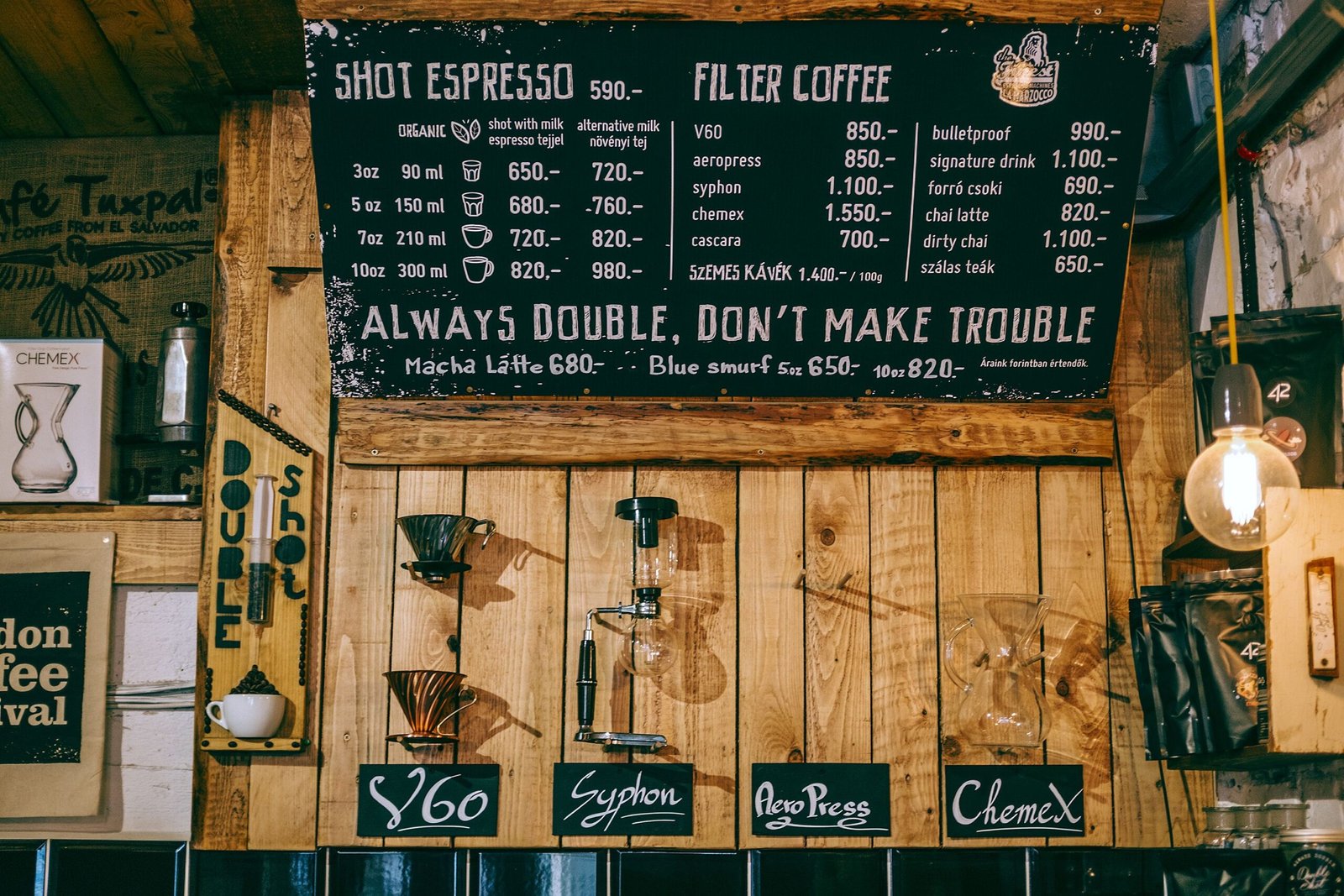
The 7 Brew menu has become a popular search for coffee lovers who want flavorful drinks, customizable combinations, and convenient drive-thru service. Known for its energetic atmosphere and extensive drink options, 7 Brew offers much more than traditional coffee. Customers can explore espresso-based beverages, flavored coffees, energy drinks, teas, lemonades, smoothies, and other refreshing options, with opportunities to personalize drinks according to their taste preferences.
Whether we are visiting for a morning caffeine boost, an afternoon refresher, or a sweet coffee treat, understanding the 7 Brew menu in 2026 can make ordering easier. From classic favorites to creative flavor combinations, the menu provides options for different preferences, including customers who enjoy strong coffee, creamy beverages, fruity drinks, and sugar-free alternatives where available.
Because menu selections, prices, and promotions may vary by location, we should check with the local stand for the most accurate information before ordering. This guide explores the main drink categories, popular flavor combinations, customization choices, and practical tips for finding a beverage that suits our preferences.
What Is 7 Brew? Understanding the Popular Coffee Chain
7 Brew Coffee is a drive-thru beverage brand known for quick service, customizable drinks, and an upbeat customer experience. Instead of focusing exclusively on conventional coffee, the company offers a broad selection of beverages designed to appeal to different tastes and occasions. Its menu combines familiar coffeehouse choices with sweet flavor combinations, energy drinks, and noncoffee refreshments.
One of the reasons the 7 Brew menu attracts attention is its emphasis on personalization. Customers can often select different flavor combinations, milk options, sweetness levels, and other additions depending on the beverage and location. This flexibility makes it possible to order a relatively simple espresso drink or create a more dessert-inspired beverage with several complementary flavors.
The drive-thru format also makes 7 Brew convenient for people with busy schedules. Whether we are commuting to work, heading to school, or meeting friends for a quick drink, we can choose from a variety of beverages without spending much time inside a traditional café. Availability and service times vary, so checking local operating hours is useful when planning a visit.
Complete 7 Brew Menu: Main Drink Categories
The 7 Brew menu includes several broad categories, although the exact selection can differ between locations and seasonal promotions. Understanding these categories helps us narrow down the options before reaching the ordering window.
1. Espresso and Classic Coffee Drinks
Coffee remains a central part of the 7 Brew experience. Espresso-based beverages appeal to customers who want a recognizable coffee flavor with the option to add sweetness, milk, or flavored syrups. Depending on the local menu, choices may include lattes, breve-style drinks, mochas, and other espresso combinations.
A latte is generally a good choice for customers who enjoy espresso balanced with steamed or prepared milk. A mocha offers a chocolate-forward flavor, while a breve typically uses half-and-half for a richer texture. Customers who prefer stronger coffee flavors can ask about espresso-forward options and available preparation styles.
Flavor additions can make these drinks more distinctive. Vanilla, caramel, chocolate, hazelnut, and other syrups may be available, depending on the location. Combining two compatible flavors can create a more personalized drink without requiring an unfamiliar menu item.
2. Signature Drinks and Flavored Coffee
Signature beverages are an important attraction for customers exploring the 7 Brew menu for the first time. These drinks bring together coffee, milk, and selected flavorings to create combinations that taste sweeter or more indulgent than traditional black coffee.
Caramel, vanilla, chocolate, hazelnut, and seasonal flavor profiles are useful starting points when choosing a flavored beverage. Customers who enjoy dessert-inspired drinks may prefer chocolate and caramel combinations, while those who want a smoother and less intense flavor might choose vanilla or a similar option.
We should remember that signature drink names, ingredients, and availability can change. Rather than assuming every drink is available at every stand, we can ask the barista to confirm the current selection and recommend a comparable combination if a particular flavor is unavailable.
3. 7 Brew Energy Drinks
The brand is also recognized for its customizable energy drinks, which appeal to customers looking for something different from coffee. These beverages commonly feature fruity flavor combinations and can offer a bright, refreshing alternative to espresso-based drinks.
Berry, citrus, tropical fruit, and other sweet flavor profiles can provide useful inspiration when selecting an energy drink. Depending on the current menu, customers may be able to combine multiple flavors to create a personalized beverage.
Energy drinks are not necessarily caffeine-free alternatives to coffee. Their caffeine content can vary by product, serving size, and preparation, so we should ask for the relevant nutritional information if caffeine intake is a concern. Customers who are sensitive to caffeine should also consider how much caffeine they have already consumed during the day.
4. Tea, Lemonade, and Other Refreshing Drinks
For customers who do not want a traditional coffee, tea and lemonade options can make the 7 Brew menu more accessible. These beverages can be especially appealing in warm weather or when we want a lighter-tasting refreshment.
Tea may be available in different varieties and preparations, while lemonade provides a tangy base that can pair well with fruity flavors. Depending on the location, other noncoffee choices may include smoothies or additional specialty refreshments.
We should check whether a specific tea contains caffeine and whether a lemonade or smoothie includes added sugar. These details help us select a drink that matches our taste preferences and dietary needs without relying solely on its flavor description.
Popular 7 Brew Flavors and Drink Combinations
One of the most enjoyable aspects of the 7 Brew menu is experimenting with different flavor combinations. Rather than limiting ourselves to a single syrup, we can explore complementary flavors that create a balanced and memorable beverage.
Caramel and vanilla are familiar options for customers who enjoy sweet, creamy coffee. Chocolate and hazelnut can produce a richer, dessert-like profile, while vanilla and chocolate offer a straightforward combination for people who prefer classic flavors. Fruity combinations are worth exploring in energy drinks, teas, and lemonades when those flavorings are available.
The best combination depends on the base beverage. A flavor that works well with espresso may taste different in lemonade or an energy drink. We should therefore ask for recommendations based on the drink category rather than assuming every syrup pairs equally well with every beverage.
Seasonal flavors can also add variety throughout the year. Limited-time offerings may introduce different ingredients or combinations, but they are not guaranteed to remain available. Checking the current menu is the simplest way to discover which seasonal options are being served.
For a first visit, we can start with one familiar flavor and add another only if the combination sounds appealing. This approach helps us discover personal favorites without ordering a drink that is excessively sweet or contains too many competing flavors.
7 Brew Menu Prices in 2026: What Should We Expect?
The 7 Brew menu prices are an important consideration for customers planning a regular coffee stop or trying the brand for the first time. However, there is no single price that applies to every drink at every location. Costs can vary according to the stand, beverage category, serving size, ingredients, and local pricing policies.
Basic coffee drinks may cost less than specialty beverages with multiple flavors or premium additions. Espresso-based drinks, signature coffees, energy drinks, teas, lemonades, and smoothies can all fall into different price ranges. Larger servings and additional ingredients may also affect the final total.
For accurate pricing, we should check the local stand’s current menu or ask staff before ordering. Third-party menu listings can provide a general reference, but they may not reflect recent changes, temporary promotions, or location-specific prices.
Customers who want to manage their spending can choose a smaller serving, limit optional additions, or select a simpler beverage. If we visit regularly, comparing the cost of our usual order with other available options can help us find a drink that fits our budget without sacrificing the flavors we enjoy.
How to Customize Your 7 Brew Order
Customization is one of the strongest reasons to explore the 7 Brew menu beyond its basic drink categories. A few thoughtful choices can make a beverage more suitable for our preferences, whether we like bold coffee, creamy textures, fruity flavors, or a less-sweet finish.
Choose the right drink base. Start by deciding whether we want espresso, flavored coffee, an energy drink, tea, or lemonade. Selecting the base first makes it easier to choose appropriate flavors and understand the beverage’s caffeine content.
Adjust the sweetness. Flavored syrups can significantly affect how sweet a drink tastes. Customers who prefer less sweetness can ask whether the stand offers reduced-syrup options. Those who enjoy sweeter drinks can explore combinations that complement the base rather than adding several unrelated flavors.
Ask about milk alternatives. Depending on the location and beverage, dairy milk, half-and-half, or plant-based alternatives may be available. Customers with allergies or dietary restrictions should confirm ingredients and preparation practices directly with staff because substitutions do not automatically guarantee that a drink is free from allergens.
Consider serving size. A larger drink may offer more beverage for the price, but it may also contain more caffeine, sugar, or calories. Choosing a serving size that matches our appetite and caffeine preferences can make ordering more practical.
Explore sugar-free options. Some locations may offer sugar-free flavorings. Availability varies, and a sugar-free syrup does not necessarily make the entire drink sugar-free or calorie-free. We should confirm the ingredients of the complete beverage before making dietary decisions.
These customization choices allow us to develop a reliable go-to order while still leaving room to try new flavors.
Best 7 Brew Drinks for Different Preferences
The best drink on the 7 Brew menu depends on what we want from our visit. Instead of assuming that one beverage suits everyone, we can use our usual preferences to identify the most promising category.
For customers who enjoy strong coffee, an espresso-forward drink may be the best starting point. We can ask about the espresso options and choose a preparation with fewer sweet flavorings to let the coffee taste stand out.
For people who prefer sweet and creamy beverages, a flavored latte, mocha, or breve-style drink may be more appealing. Caramel, vanilla, and chocolate are useful flavors to consider, provided they are available at the local stand.
For customers seeking a fruity and refreshing drink, an energy drink, tea, or lemonade may be a better match than coffee. These categories can provide different flavor experiences, but we should check the caffeine content instead of assuming that a fruity beverage contains little or no caffeine.
For those who want a noncoffee option, lemonade, selected teas, and other available refreshments provide alternatives to espresso. The current menu should be checked to confirm which choices are available and whether they contain caffeine or added sweeteners.
For customers watching their sugar or calorie intake, a simpler coffee, reduced-syrup order, or suitable sugar-free customization may be worth considering. Nutritional values depend on the complete recipe, serving size, and additions, so the most reliable approach is to request current nutritional information.
Tips for Ordering From the 7 Brew Menu
Ordering becomes easier when we decide on the main details before reaching the drive-thru. First, choose the beverage category that sounds most appealing. Next, identify one or two flavors that complement it. Finally, decide whether we want a particular size, sweetness level, or milk option.
Customers visiting for the first time can ask the staff to explain popular drinks and recommend an option based on their preferences. We can describe the taste we want, such as chocolatey, caramel-forward, fruity, creamy, or less sweet, rather than relying exclusively on unfamiliar drink names.
It is also useful to check the current menu before visiting. Online lists, social media posts, and customer recommendations may feature discontinued items or limited-time combinations. Confirming availability prevents confusion and helps us choose an alternative if a particular drink is unavailable.
When ordering for someone else, we should confirm the drink base, size, flavor preferences, and any relevant dietary requirements. This is particularly important when ordering beverages containing caffeine, dairy, or other ingredients that may not suit everyone.
Frequently Asked Questions About the 7 Brew Menu
What is included on the 7 Brew menu?
The menu generally features espresso-based coffee, flavored beverages, signature drinks, energy drinks, teas, lemonades, and other refreshments. Exact offerings vary by location and season.
How much does a drink cost at 7 Brew in 2026?
Prices depend on the beverage, serving size, location, and optional additions. We should check the current local menu or ask staff for an accurate price rather than relying on an outdated online listing.
Does 7 Brew offer sugar-free drinks?
Some locations offer sugar-free flavoring options that can be used in eligible beverages. However, availability varies, and a drink made with sugar-free syrup may still contain sugar or calories from other ingredients.
Does the 7 Brew menu include drinks without coffee?
Yes. Depending on the location, customers may be able to choose energy drinks, tea, lemonade, smoothies, and other refreshments. Some noncoffee drinks still contain caffeine, so ingredient information is worth checking.
Can we customize flavors at 7 Brew?
Many drinks can be customized with available flavors, milk options, sweetness adjustments, and other additions. The choices depend on the beverage and location, so customers should confirm their preferred combination when ordering.
What should first-time customers order at 7 Brew?
First-time visitors can start with a familiar flavor profile. Caramel or vanilla coffee may suit customers who like creamy, sweet drinks, while tea or lemonade may appeal to those who prefer fruity refreshments. Staff can recommend an option based on individual preferences.
Are 7 Brew drinks available in different sizes?
Serving sizes depend on the beverage and current local menu. Customers should ask which sizes are available and consider that larger servings may contain more caffeine, sugar, and calories.
Conclusion: Finding the Right Drink on the 7 Brew Menu
The 7 Brew menu in 2026 offers a variety of beverages for customers who enjoy coffee, sweet specialty drinks, fruity energy drinks, tea, lemonade, and other refreshments. Its combination of different drink categories and customizable flavors makes it possible to find options for different tastes and occasions.
We can make better ordering decisions by understanding the main menu categories, exploring compatible flavors, checking available customization options, and confirming current prices with the local stand. Whether we prefer a straightforward espresso drink, a creamy caramel combination, or a refreshing fruit-flavored beverage, starting with our personal preferences makes the selection process easier.
For the best experience, we should check the latest local menu, ask about ingredients when necessary, and explore new combinations gradually. With a little preparation, choosing from the 7 Brew menu can become a simple way to discover a favorite drink and enjoy a more personalized coffeehouse experience.

Cast of Independence Day (1996): Full Cast, Characters, and Where They Are Now

Ebony Galore in 2026: Features, Website Guide, Privacy, and Online Safety

Alex Eala: Biography, Age, Ranking, Career Achievements, and Tennis Journey in 2026

Dorothée Lepère: Everything You Need to Know About François-Henri Pinault’s Former Wife

Ana Luz Rodriguez-Paz: Biography, Career, Achievements, and Complete Profile

That-Bites.org: The Complete 2026 Guide to the Food, Lifestyle, and Recipe Platform
 celebrity4 months ago
Dorothée Lepère: Everything You Need to Know About François-Henri Pinault’s Former Wife
- celebrity4 months ago
Ana Luz Rodriguez-Paz: Biography, Career, Achievements, and Complete Profile
- Food3 months ago
That-Bites.org: The Complete 2026 Guide to the Food, Lifestyle, and Recipe Platform
- Blog3 months ago
5 Letter Words Starting with CA: Complete Word List, Meanings, Examples, and Word Game Guide (2026)
- Blog3 months ago
0800497: What Does This Number Mean and Is It a Scam in 2026?
- celebrity4 months ago
Timothy shalloway: Biography, Movies, Career, Personal Life, and Hollywood Success
- Business3 months ago
402-935-7733: Why This Number Appears on Your Bank Statement and What It Means (2026 Guide)
- Sports2 months ago
iOS App eTrueSports: A Complete Guide to the Mobile Gaming and Esports Platform in 2026