
Business
Interface Commercial Flooring Case Study Installed by Contractor: 2026 Guide


Commercial flooring has to do much more than improve the appearance of a workplace. It must withstand heavy foot traffic, rolling chairs, furniture movement, maintenance routines, and daily wear while still creating a professional environment. A well-planned Interface commercial flooring case study installed by a contractor demonstrates how product selection, substrate preparation, installation expertise, and project coordination work together to produce a durable finished floor.
Interface is widely used in commercial environments because its modular flooring systems allow designers and contractors to combine carpet tiles, carpet planks, and luxury vinyl flooring according to the needs of individual areas. Real-world projects show that successful results depend not only on the flooring product but also on careful preparation and professional installation.
Why Interface Commercial Flooring Is Suitable for Modern Workplaces
Modern offices require flooring that can balance appearance, durability, comfort, maintenance, and flexibility. Interface carpet tiles are particularly useful because individual modules can be replaced if a localized area becomes damaged or heavily worn. This can be more practical than replacing an entire broadloom carpet installation.
Commercial flooring contractors also have greater flexibility when working with modular products. Different tile orientations, colors, textures, and patterns can help define circulation routes, meeting spaces, workstations, reception areas, and collaboration zones without constructing physical partitions.
A published office project by Creed-Miles, for example, involved more than 800 m² of Interface Works commercial carpet tiles in an office refurbishment. The project included removal of existing flooring, floor preparation, installation, cleaning, inspections, and final handover within an eight-day programme.
This illustrates an important point: commercial flooring is not simply a material purchase. The installation process is part of the final performance of the floor.
The Contractor’s Role in an Interface Flooring Installation
A professional flooring contractor normally becomes responsible for several stages of the project, beginning with site assessment and continuing through final inspection. Before installation, the contractor needs to determine whether the existing substrate is suitable.
The floor should generally be clean, dry, smooth, level, and structurally sound. Cracks, uneven areas, adhesive residue, contamination, and other irregularities can affect the finished appearance and long-term performance. Interface’s installation guidance specifically addresses preparation requirements for different substrates and emphasizes proper preparation before flooring is installed.
Contractors may therefore need to remove existing flooring, grind the substrate, repair imperfections, apply leveling compound, and remove residual adhesive or debris. A real commercial project involving Interface Work Stream carpet tiles required exactly this type of substrate preparation after flood damage before the new flooring was installed. The project covered approximately 1,040 m².
Good preparation is particularly important because imperfections beneath modular flooring can become visible after installation.
Interface Carpet Tiles and Flexible Commercial Design
One of the strongest advantages highlighted by commercial flooring case studies is design flexibility. Interface carpet tiles can be installed in different layouts to create visual direction, zoning, and identity within a workplace.
For example, Interface’s Human Spaces case study for ANF Architects describes a workspace where different carpet tile orientations were used to distinguish circulation and office areas. Walk The Plank tiles were installed in a one-third offset running-brick-bond pattern along a diagonal pathway, while a darker grey tile was used in adjoining office areas.
This type of approach gives contractors and designers more options than simply covering every room with one uniform pattern. Flooring can become part of the workplace design strategy, helping people understand how spaces are organized.
Interface products have also been used alongside LVT. A commercial office project featuring Interface LVT created a threshold-free transition between vinyl flooring and Interface carpet tiles. The contractor completed more than 350 m² across 14 separate areas, including more than 120 precision cuts around floor-mounted power points.
Installation Quality: Preparation, Layout, and Precision
The quality of an Interface commercial flooring project depends heavily on installation accuracy. Before laying tiles, contractors need to establish the appropriate starting point and layout so that the finished installation remains balanced and visually consistent.
Interface’s installation guidance also recommends checking delivered quantities and dye batches before accepting materials. Its instructions state that products are dispatched in dye batches and that the contractor should check deliveries before signing for them.
During installation, accurate cutting around columns, floor boxes, diffusers, walls, and other obstacles is essential. Interface’s technical guidance explains that modular carpet should be cut from the backing side and that tiles should be cut carefully around architectural and service elements.
This is where experienced contractors provide significant value. A high-quality product can still produce a poor result if the floor is incorrectly prepared, the layout is inaccurate, or cuts are inconsistent.
A Practical Commercial Flooring Case Study
Consider a hypothetical modern office refurbishment where an existing carpet has become worn and the client wants a durable replacement without completely redesigning the workplace.
The contractor begins by removing the old floor covering and inspecting the substrate. Any adhesive residue is removed, uneven sections are corrected, and the surface is cleaned thoroughly. After confirming that the substrate is suitable, the contractor establishes the installation layout and begins fitting the Interface carpet tiles.
The design could use a neutral base color throughout workstation areas, with darker or contrasting tiles defining corridors and high-traffic routes. Interface LVT could then be introduced in reception, kitchen, breakout, or other areas where a hard-wearing resilient surface is preferred.
After installation, the contractor completes detailed edge work, checks transitions, removes installation debris, cleans the floor, and conducts a final quality inspection. The finished workplace provides a professional appearance with a practical modular maintenance strategy.
The benefits become especially clear when localized damage occurs. Instead of removing the entire floor, a damaged carpet tile can potentially be replaced individually, helping reduce future disruption and material waste.
Maintenance, Durability, and Long-Term Value
A commercial flooring case study should not end when the contractor leaves the site. Long-term performance depends on appropriate maintenance and the ability to respond efficiently to wear.
One major advantage of modular carpet flooring is localized replacement. A commercial flooring project at Twin Towns Services Club selected Interface carpet tiles partly because individual damaged tiles could be lifted and replaced rather than requiring replacement of the entire room’s flooring.
This characteristic can be particularly valuable in busy environments such as offices, hospitality venues, educational facilities, retail spaces, and corporate headquarters.
Another important consideration is compatibility between flooring materials. Commercial contractors may combine carpet tile and LVT to give different parts of a building appropriate performance characteristics. A major Salesforce workplace project in Sydney used Interface carpet tile and LVT across different workplace functions, with more than 9,155 m² of carpet tile and 9,120 m² of LVT installed.
The result is a flooring strategy based on function rather than a one-material-fits-all approach.
Key Lessons From an Interface Commercial Flooring Case Study
The strongest lesson from an Interface commercial flooring case study installed by contractor is that successful flooring requires coordination between the client, designer, manufacturer, and installation team.
First, the substrate must be properly prepared. Second, the contractor must verify the flooring materials before installation. Third, the layout should be planned around the architecture and intended use of each space. Fourth, detailed cutting and transitions require experienced workmanship. Finally, the finished installation needs an appropriate maintenance strategy.
Real projects demonstrate the importance of these principles. Commercial Floors’ Zuru project, for instance, involved removal of existing broadloom carpet, substrate grinding and leveling, adhesive removal, and installation of Interface Basics carpet tiles across a 200 m² office area, including transitions to other existing floor finishes.
When these stages are handled correctly, Interface commercial flooring can provide a combination of professional aesthetics, modular flexibility, durability, and practical maintenance.
Conclusion
A successful Interface commercial flooring case study installed by contractor is ultimately about more than the flooring itself. The finished result depends on careful specification, accurate measurements, proper substrate preparation, professional installation, detailed finishing, and ongoing maintenance.
Interface carpet tiles offer particular advantages for commercial environments because they support flexible design and localized replacement, while Interface LVT can complement carpeted areas where a resilient hard-floor surface is required. Real-world projects demonstrate how contractors can use these systems to transform offices, headquarters, retail environments, and other high-use commercial spaces.
For a long-lasting commercial flooring project, the strongest approach is to combine the right Interface flooring system with qualified installation and disciplined project management. That combination delivers a floor that not only looks professional on completion day but continues to perform as the workplace evolves.
Business
AISC Steel Construction Manual: Complete Guide for Structural Steel Design and Construction in 2026

The AISC Steel Construction Manual is widely recognized as the most important reference book for structural steel design and construction in the United States. Used daily by structural engineers, steel fabricators, architects, contractors, educators, and students, this manual provides the technical information necessary to design safe, efficient, and code-compliant steel structures.
Published by the American Institute of Steel Construction (AISC), the manual serves as a comprehensive resource covering steel member design, connection design, material properties, specifications, design tables, and industry standards. The current 16th Edition Steel Construction Manual remains the primary reference for modern steel construction projects and incorporates the latest design requirements and standards.
As steel continues to play a critical role in commercial buildings, industrial facilities, warehouses, stadiums, bridges, and high-rise structures, the AISC Steel Construction Manual remains an essential tool for engineering professionals.
What Is the AISC Steel Construction Manual?
The AISC Steel Construction Manual is a technical publication that provides detailed guidance for the design and construction of structural steel systems. It has served the steel industry for nearly a century and is considered the standard reference for steel building design in the United States.
The manual includes:
- Steel shape properties
- Design specifications
- Connection design guidance
- Load calculations
- Weld and bolt design information
- Engineering tables
- Material standards
- Structural design procedures
The current 16th Edition, released by AISC, contains approximately 2,432 pages of structural steel design information organized into 18 major sections for easy reference.
Because of its extensive technical content, the manual is often referred to as the “gold standard” of structural steel design.
History and Evolution of the AISC Steel Construction Manual
The history of the AISC Steel Construction Manual dates back to 1927, when the first edition was published to standardize steel design practices across the industry. Since then, new editions have been released periodically to reflect advancements in engineering knowledge, construction techniques, and building codes.
Over the decades, the manual has evolved significantly by incorporating:
- New steel materials
- Updated design methodologies
- Revised building codes
- Improved connection design procedures
- Advanced structural analysis techniques
- Expanded design tables
The release of the 16th Edition in 2023 introduced numerous updates that align with modern engineering requirements and industry practices.
This continuous evolution ensures that engineers have access to the most current information when designing steel structures.
Major Sections Included in the 16th Edition
One reason the AISC Steel Construction Manual remains so valuable is its comprehensive organization. The 16th Edition is divided into 18 major sections that cover virtually every aspect of steel building design.
Some of the most frequently used sections include:
Dimensions and Properties
Provides geometric properties and dimensions for structural steel shapes.
General Design Considerations
Covers basic design principles, material behavior, and engineering requirements.
Flexural Member Design
Addresses beam design and bending resistance calculations.
Compression Member Design
Focuses on columns and compression-loaded members.
Tension Member Design
Provides design methods for members subjected to tensile forces.
Bolts and Welds
Contains detailed design information for structural connections.
Moment and Shear Connections
Offers design procedures and tables for common connection types.
Specifications and Codes
Includes current design specifications and applicable standards.
These sections allow engineers to quickly locate information needed during project design and review.
Important Updates in the 16th Edition
The 16th Edition Steel Construction Manual introduced several significant improvements compared to previous editions.
Notable additions include:
- New 50 ksi steel design tables
- Properties for 210 new HSS shapes
- Expanded discussion of prying action
- New connection design tables
- Additional simple connection guidance
- Updated wrap-around gusset plate information
- Enhanced combined force design provisions
The manual also incorporates the 2022 AISC Specification for Structural Steel Buildings and the latest Code of Standard Practice, ensuring alignment with current industry standards.
These updates help engineers design more efficient and economical structures while maintaining safety and code compliance.
Why Structural Engineers Rely on the AISC Steel Construction Manual
For practicing engineers, the AISC Steel Construction Manual is more than a reference book—it is an everyday design tool.
Key benefits include:
Improved Design Efficiency
Pre-calculated tables eliminate the need for repetitive calculations.
Code Compliance
Design procedures are based on recognized AISC standards and specifications.
Accurate Structural Analysis
The manual provides trusted engineering data that supports safe structural design.
Connection Design Support
Extensive connection design information simplifies one of the most challenging aspects of steel design.
Educational Value
Engineering students and new professionals use the manual to strengthen their understanding of structural steel behavior.
Because of these advantages, many firms consider the AISC manual an indispensable resource for structural engineering projects.
AISC Manual Companion and Additional Resources
To further support engineers, AISC provides a Manual Companion that supplements the Steel Construction Manual.
The Companion includes:
- Complete design examples
- Expanded design tables
- System-level structural examples
- Combined force design references
- Additional member design resources
The current v16.0 Companion is keyed directly to the 2022 Specification and the 16th Edition Manual. It consists of two volumes containing over 1,800 pages of supplemental material.
AISC also publishes:
- Design Guides
- Seismic Design Manual
- Detailing Manual
- Engineering Journal
- Educational webinars
- Digital resources
These publications help professionals stay current with evolving design practices.
Who Uses the AISC Steel Construction Manual?
The manual serves a broad range of professionals involved in steel construction.
Common users include:
- Structural engineers
- Civil engineers
- Architects
- Steel fabricators
- Detailers
- Construction managers
- Inspectors
- Engineering professors
- University students
Whether designing a small commercial building or a large industrial facility, professionals rely on the manual for dependable technical information and design guidance.
Its widespread adoption has made it one of the most respected engineering references in the construction industry.
Conclusion
The AISC Steel Construction Manual remains the definitive reference for structural steel design and construction in 2026. With its comprehensive design tables, engineering procedures, connection details, material properties, and code references, it provides everything professionals need to design safe and efficient steel structures.
The current 16th Edition builds upon nearly a century of engineering knowledge, incorporating the latest standards, specifications, and design advancements. From students learning structural engineering fundamentals to experienced professionals managing complex projects, the AISC Steel Construction Manual continues to serve as the industry’s most trusted resource for steel construction excellence.

The phrase “TTRockstars coin generator” is commonly searched by people looking for a way to obtain virtual coins quickly in Times Tables Rock Stars (TTRS). Because coins are part of the platform’s reward system, it is easy to understand why players may be curious about websites or tools claiming to generate unlimited coins. However, in 2026, it is important to separate genuine TTRS features from unofficial generators, hacks, scripts, and websites that make unrealistic promises.
Times Tables Rock Stars is an educational platform focused on multiplication and division practice. The official service explains that children can earn virtual coins through gameplay and use them to personalize their rock avatars while progressing through its rock-star ranking system. A supposed “coin generator” is therefore very different from the legitimate reward system built into the platform.
What Is a TTRockstars Coin Generator?
A TTRockstars coin generator generally refers to an unofficial website, application, script, or online tool that claims it can add free coins to a Times Tables Rock Stars account. These pages may use phrases such as “unlimited coins,” “free TTRS coins,” or “instant coin generator” to attract users.
The important point is that a third-party generator is not the same thing as an official TTRS feature. The official platform describes coins as rewards children can earn while using its maths games. Its website specifically explains that learners earn coins to customize their avatars and progress through ranks from New Artist to Rock Hero.
A genuine TTRS experience does not require an external generator to make the educational platform work. Instead, the reward system is integrated into gameplay, allowing mathematical practice and gamification to work together.
How Coins Work in Times Tables Rock Stars
Coins are designed to make multiplication and division practice more engaging. Instead of treating times-table practice as repetitive worksheet work, TTRS combines questions with a game-based reward system.
According to the official platform, children can earn virtual coins and use them to personalize their rock avatars. The service also includes leaderboards and multiplayer activities that encourage learners to keep practicing.
This reward structure has an educational purpose. A learner answers mathematical questions, improves recall and fluency, and receives an in-game reward for participating. Over time, repeated practice can help make multiplication facts more familiar.
The official platform says its question-based games adapt to individual learning needs and are designed to help children develop faster recall in multiplication and division.
For that reason, the safest approach to earning TTRS coins is simply to use the legitimate game features and continue practicing rather than relying on an external generator.
Are TTRockstars Coin Generators Real?
Claims about free or unlimited TTRS coin generators should be treated carefully. A website may display an attractive generator interface, ask for a username, request additional information, or claim that coins can be added immediately. Those claims do not establish that the tool has any genuine connection with Times Tables Rock Stars.
There is also an important security consideration. Entering account information into an unofficial website can create unnecessary privacy and account-security risks. This is especially relevant because TTRS is designed for children and educational environments.
The official TTRS parents page emphasizes child safety and states that the platform has no chat functions, no in-game purchases, and no advertisements. It also describes the use of anonymous Rock Names and data-protection measures.
Therefore, an external page requesting sensitive login information in exchange for virtual coins should not be treated as part of the normal TTRS experience.
Why “Unlimited Coins” Claims Can Be Misleading
The phrase “unlimited TTRS coins” can sound appealing, particularly to learners who want to unlock avatar customization options quickly. However, an external website cannot simply be assumed to have legitimate access to the platform’s internal reward system.
Some generator websites may instead be designed to collect information, redirect visitors, display misleading advertisements, or encourage users to install untrusted software. Even when a page looks professional, its appearance does not prove that it is affiliated with Times Tables Rock Stars.
We should therefore distinguish between earning coins through the official platform and claims made by unrelated third-party websites. If a service asks for a password or other confidential account information, the safest choice is not to provide it.
The same principle applies to downloads. There is generally no reason for normal TTRS gameplay to require a separate “coin generator” program.
Safe Ways to Earn More TTRS Coins
The most reliable method of earning TTRS coins is to play Times Tables Rock Stars normally and use the reward features provided by the platform. TTRS is specifically designed around repeated question practice, and the official website says that learners can earn coins as part of that experience.
We can make legitimate progress more effective by focusing on regular practice rather than trying to bypass the reward system. Short, consistent sessions can help learners improve multiplication and division recall while continuing to earn the rewards built into the game.
The platform also provides different game modes and personalized learning features. Its official information explains that the system adapts to individual learning needs, while parents can use the platform across supported devices.
For students, the real benefit is not simply collecting virtual currency. The purpose of the system is to make mathematical fluency more engaging.
TTRockstars in 2026: More Than a Coin System
In 2026, Times Tables Rock Stars remains focused on multiplication and division education rather than functioning simply as a conventional game. The company describes TTRS as an award-winning maths-learning platform used by schools, families, and tutors.
The company also states that the platform and its related NumBots programme are used by more than 17,000 schools and more than 100,000 households.
The reward system is only one part of that broader experience. TTRS combines mathematical questions, progress tracking, avatar customization, leaderboards, competitions, and multiplayer activities to encourage continued practice.
This approach helps explain why searches for a TTRockstars coin generator exist in the first place: virtual rewards are visible and motivating. Nevertheless, the educational value comes from answering the maths questions and improving recall, not from obtaining coins through an external shortcut.
Final Thoughts on TTRockstars Coin Generators
A TTRockstars coin generator should not be confused with the official coin system in Times Tables Rock Stars. The legitimate platform allows learners to earn virtual coins through gameplay and use them to customize their avatars while progressing through its rock-themed learning experience.
Third-party websites promising unlimited or instant coins should be approached with caution, particularly if they request passwords, personal information, downloads, or other unusual permissions. The safest and most useful way to build a TTRS coin balance is to practice multiplication and division through the official platform.
Ultimately, the coins are a motivational feature rather than the main purpose of TTRS. The real achievement is developing faster mathematical recall, greater confidence, and stronger multiplication and division fluency through consistent practice.
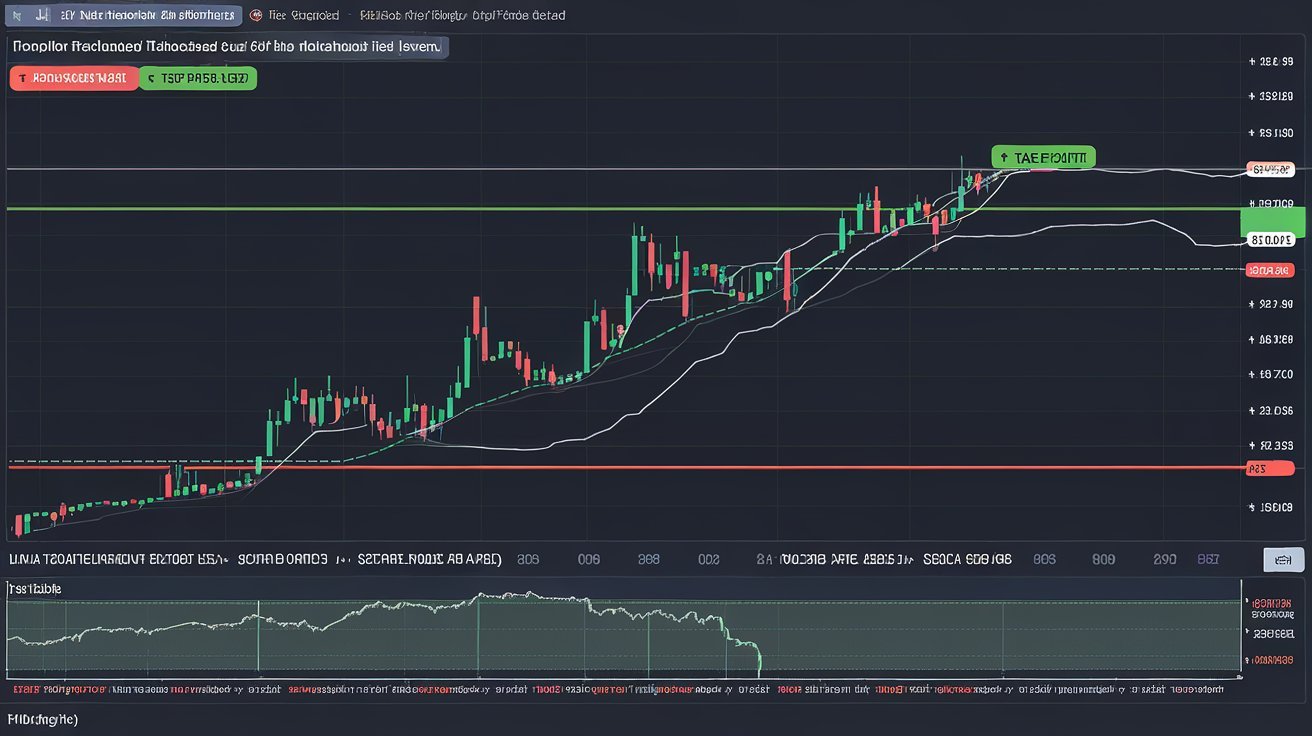
Managing risk is one of the most important aspects of successful trading. Whether trading futures, forex, stocks, or other financial instruments, knowing how to set take profit and stop loss on NinjaTrader can help traders protect capital, control risk, and automate trade exits. NinjaTrader is one of the most popular trading platforms among active traders because it provides advanced charting, automated trade management, and customizable order-entry tools.
In 2026, traders continue to rely on NinjaTrader’s powerful features to execute trades more efficiently. Properly configuring take profit and stop loss orders allows traders to remove emotional decision-making from the trading process while maintaining disciplined risk management strategies. Understanding how these orders work and how to implement them effectively can significantly improve trading consistency.
What Are Take Profit and Stop Loss Orders?
Before learning how to set take profit and stop loss on NinjaTrader, it is important to understand their purpose.
Take Profit Order
A take profit order automatically closes a trade when the market reaches a predetermined profit target.
Benefits include:
- Locking in gains automatically
- Eliminating emotional exits
- Maintaining trading discipline
- Reducing screen time
For example, if a trader enters a position at 100 and sets a take profit at 110, the trade automatically closes once the price reaches the target level.
Stop Loss Order
A stop loss order automatically exits a trade if the market moves against the trader.
Benefits include:
- Limiting losses
- Protecting trading capital
- Managing risk consistently
- Preventing large drawdowns
For example, if a trader enters at 100 and sets a stop loss at 95, the position closes if the market falls to that level.
Together, take profit and stop loss orders form the foundation of effective risk management.
Why Take Profit and Stop Loss Are Important in NinjaTrader
Many traders focus heavily on finding entry signals while overlooking trade management.
However, professional traders understand that risk control often matters more than entry precision.
Using take profit and stop loss orders provides several advantages:
Automated Trade Execution
Orders are executed automatically according to predefined conditions.
Reduced Emotional Trading
Traders avoid making impulsive decisions during market volatility.
Improved Consistency
Every trade follows the same risk management framework.
Better Capital Preservation
Losses remain controlled while profit objectives are clearly defined.
Enhanced Trading Efficiency
Automation allows traders to focus on market analysis rather than constantly monitoring positions.
NinjaTrader makes implementing these strategies straightforward through its built-in tools.
How to Set Take Profit and Stop Loss Using ATM Strategy
One of the most popular methods in NinjaTrader is using an ATM Strategy (Advanced Trade Management Strategy).
Step 1: Open the Order Entry Window
Launch NinjaTrader and access the Chart Trader panel or order entry interface.
Step 2: Select ATM Strategy
Locate the ATM Strategy section within the trading panel.
Step 3: Create a New ATM Template
Choose the option to create a custom strategy template.
Step 4: Define Stop Loss Parameters
Enter the desired stop loss value.
Common methods include:
- Tick-based stops
- Point-based stops
- Percentage-based stops
- Volatility-based stops
Step 5: Set Profit Target
Specify the profit target distance from the entry price.
Step 6: Save the Template
Save the strategy so it can be reused for future trades.
Once configured, the ATM Strategy automatically places both protective stop loss and profit target orders whenever a new position is opened.
Using Chart Trader to Set Stop Loss and Take Profit
Chart Trader provides a visual method for managing orders directly from the trading chart.
Enable Chart Trader
Open a chart and activate the Chart Trader panel.
Place a Trade
Enter a buy or sell order using the trading controls.
Attach Profit Target and Stop Loss
The platform automatically links the orders if an ATM Strategy is selected.
Adjust Orders Visually
Traders can drag order lines directly on the chart to modify stop loss and profit target levels.
Monitor Real-Time Performance
Chart Trader displays active positions, unrealized profit and loss, and order status.
This visual approach simplifies trade management and provides greater flexibility.
Best Practices for Setting Stop Loss Levels
A stop loss should not be placed randomly.
Several factors can influence optimal placement.
Support and Resistance Levels
Many traders position stop losses beyond significant support or resistance zones.
Market Volatility
More volatile markets often require wider stop loss distances.
Risk-to-Reward Ratio
Many traders target a ratio of at least 1:2, risking one unit to potentially gain two units.
Technical Analysis
Indicators and chart patterns frequently influence stop placement decisions.
Account Size Considerations
Risk per trade should align with overall capital management goals.
Proper stop loss placement balances protection with the flexibility needed to allow trades room to develop.
Best Practices for Setting Take Profit Targets
Effective take profit placement is equally important.
Use Key Price Levels
Profit targets are often placed near major support or resistance areas.
Consider Market Structure
Trend direction and momentum can influence profit target selection.
Apply Risk-to-Reward Rules
A favorable risk-to-reward ratio helps improve long-term trading performance.
Avoid Unrealistic Expectations
Profit targets should be based on market conditions rather than emotional preferences.
Review Historical Price Behavior
Past market movement often provides insight into realistic target locations.
Consistent take profit planning helps improve overall trading discipline.
Advanced Trade Management Features in NinjaTrader
NinjaTrader offers several advanced tools beyond basic stop loss and take profit functionality.
Trailing Stops
A trailing stop automatically adjusts as the market moves favorably.
Benefits include:
- Protecting profits
- Allowing trends to continue
- Reducing manual adjustments
Multiple Profit Targets
Traders can divide positions and exit portions at different price levels.
Breakeven Stops
The platform can automatically move the stop loss to the entry price after a certain profit threshold is reached.
Auto Trail Strategies
Custom ATM configurations allow automated stop adjustments based on predefined criteria.
These tools help traders create sophisticated trade management systems.
Common Mistakes When Setting Stop Loss and Take Profit Orders
Even experienced traders occasionally make errors.
Setting Stops Too Tight
Small market fluctuations may trigger premature exits.
Ignoring Volatility
Volatile markets require different stop placement strategies.
Using Arbitrary Targets
Profit targets should be based on analysis rather than guesswork.
Moving Stop Losses Emotionally
Changing stop levels without a valid reason often increases risk.
Risking Too Much Per Trade
No stop loss strategy can compensate for excessive position sizing.
Avoiding these mistakes helps improve long-term trading performance.
Benefits of Automated Trade Management in 2026
As markets become increasingly fast-paced, automation plays a larger role in successful trading.
Advantages include:
- Faster execution
- Reduced emotional bias
- Consistent risk management
- Improved discipline
- Enhanced efficiency
- Better scalability
NinjaTrader’s advanced trade management capabilities continue to make it a preferred platform for traders seeking professional-level functionality.
Conclusion
Learning how to set take profit and stop loss on NinjaTrader is an essential skill for traders who want to manage risk effectively and improve consistency. By using ATM Strategies, Chart Trader tools, trailing stops, and predefined risk parameters, traders can automate much of the decision-making process while maintaining strict discipline. Proper stop loss placement protects capital, while realistic profit targets help secure gains. In 2026, NinjaTrader remains one of the most powerful platforms available for implementing advanced trade management strategies and supporting long-term trading success.
Frequently Asked Questions (FAQ)
What is a take profit order in NinjaTrader?
A take profit order automatically closes a position when a specified profit target is reached.
What is a stop loss order in NinjaTrader?
A stop loss order automatically exits a trade when the market moves against the position by a predetermined amount.
What is an ATM Strategy in NinjaTrader?
An ATM Strategy is NinjaTrader’s Advanced Trade Management system that automates stop loss and profit target placement.
Can I use trailing stops in NinjaTrader?
Yes. NinjaTrader supports trailing stops through its ATM Strategy functionality.
Can I set multiple profit targets?
Yes. NinjaTrader allows traders to scale out of positions using multiple profit targets.
Why are stop loss orders important?
They help limit losses, protect trading capital, and maintain disciplined risk management.

Burghley House: History, Architecture, Gardens and Visitor Guide 2026

AISC Steel Construction Manual: Complete Guide for Structural Steel Design and Construction in 2026

2026 GMC Terrain AT4: Complete Guide to Features, Performance, Off-Road Capability, and Technology

Dorothée Lepère: Everything You Need to Know About François-Henri Pinault’s Former Wife

Ana Luz Rodriguez-Paz: Biography, Career, Achievements, and Complete Profile

5 Letter Words Starting with CA: Complete Word List, Meanings, Examples, and Word Game Guide (2026)
 celebrity3 months ago
Dorothée Lepère: Everything You Need to Know About François-Henri Pinault’s Former Wife
- celebrity3 months ago
Ana Luz Rodriguez-Paz: Biography, Career, Achievements, and Complete Profile
- Blog2 months ago
5 Letter Words Starting with CA: Complete Word List, Meanings, Examples, and Word Game Guide (2026)
- Food2 months ago
That-Bites.org: The Complete 2026 Guide to the Food, Lifestyle, and Recipe Platform
- celebrity3 months ago
Timothy shalloway: Biography, Movies, Career, Personal Life, and Hollywood Success
- Blog1 month ago
0800497: What Does This Number Mean and Is It a Scam in 2026?
- Health2 months ago
Hypackle: Everything You Need to Know About This Emerging Digital Platform
- Tech2 months ago
Ontpresscom About Us: Complete Guide to the Platform, Mission, Features, and Editorial Vision (2026)