
Food
Best Pollo al Chilindrón Near Me: The Ultimate 2026 Guide to Finding Authentic Spanish Chicken Dishes

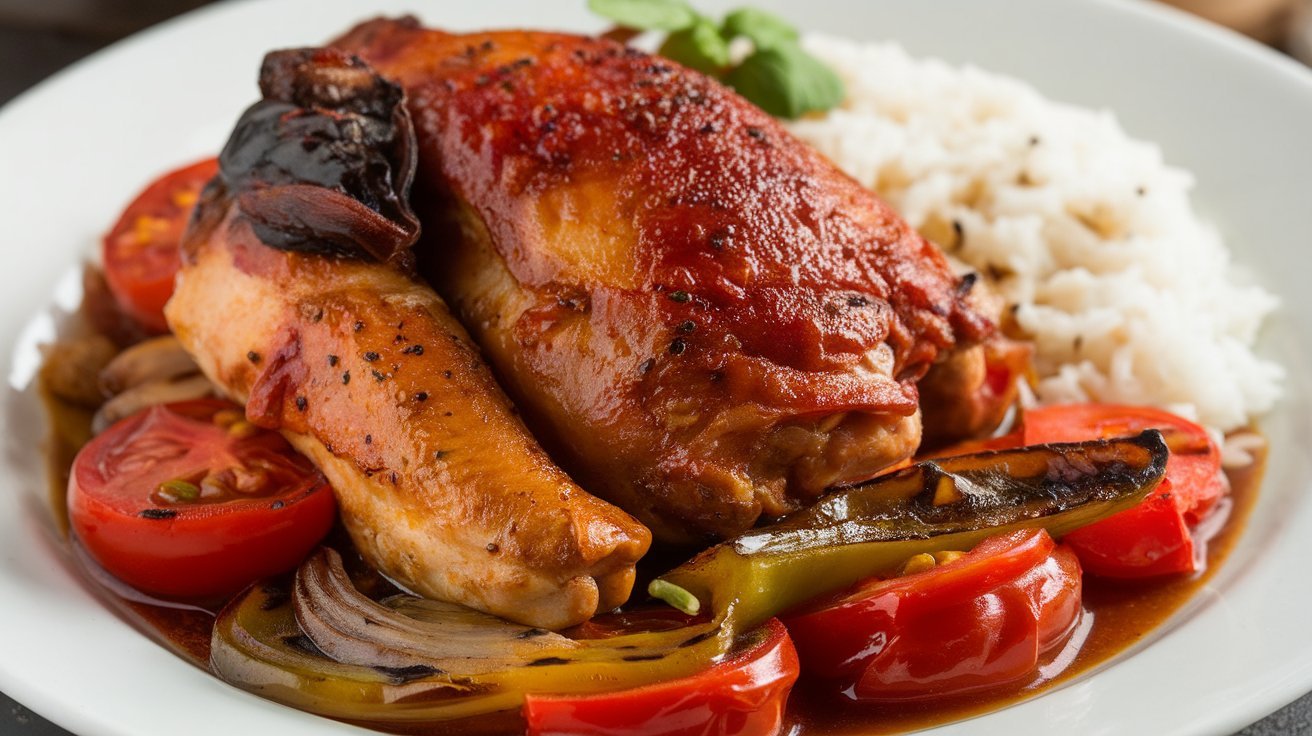
If you’ve recently searched for “best pollo al chilindrón near me,” you’re likely looking for an authentic Spanish meal that delivers bold flavors, tender chicken, and a rich tomato and pepper sauce. Pollo al Chilindrón is one of Spain’s most celebrated comfort foods, combining simple ingredients with traditional cooking techniques to create a dish that has remained popular for generations.
Whether you’re planning a family dinner, exploring Spanish cuisine for the first time, or simply craving a hearty meal, this complete 2026 guide explains everything you need to know about finding the best pollo al chilindrón near you, what makes it authentic, and how to recognize a restaurant that prepares this classic dish the right way.
What Is Pollo al Chilindrón?
Pollo al Chilindrón is a traditional Spanish chicken dish that originated in the Aragón and Navarra regions of northern Spain. It features slow-cooked chicken simmered in a flavorful sauce made from ripe tomatoes, red peppers, onions, garlic, olive oil, and cured ham. Many recipes also include white wine and aromatic herbs to deepen the flavor.
Unlike spicy chicken recipes, pollo al chilindrón focuses on rich, savory, and naturally sweet flavors. The vegetables cook slowly until they create a thick sauce that perfectly coats the chicken, resulting in a comforting meal that is both rustic and elegant.
Today, this dish is served in Spanish restaurants around the world and has become a favorite among people who appreciate authentic Mediterranean cuisine.
Why People Search for the Best Pollo al Chilindrón Near Me
Interest in authentic international cuisine continues to grow, and more diners are looking beyond common restaurant options. Searching for the best pollo al chilindrón near me usually means finding a restaurant that serves freshly prepared Spanish food using traditional recipes.
People often look for:
- Authentic Spanish restaurants
- Family-owned Mediterranean eateries
- Fresh, homemade sauces
- Tender, slow-cooked chicken
- High customer ratings
- Reasonable prices
- Comfort food made from quality ingredients
Many diners also want restaurants that prepare dishes from scratch instead of relying on frozen or pre-made ingredients.
How to Identify Authentic Pollo al Chilindrón
Not every restaurant prepares this classic Spanish recipe the same way. Authentic versions stand out because of their ingredients, preparation methods, and balanced flavors.
Fresh Chicken
Quality restaurants use fresh chicken pieces that remain juicy after slow cooking. The meat should be tender enough to pull apart easily with a fork.
Traditional Vegetable Base
Authentic recipes rely on a combination of:
- Fresh tomatoes
- Red bell peppers
- Sweet onions
- Garlic
- Extra virgin olive oil
These ingredients slowly caramelize and blend into a naturally rich sauce.
Spanish Cured Ham
Many traditional recipes include Serrano ham or similar cured ham, adding depth and a subtle salty richness without overpowering the dish.
Slow Cooking
Patience is one of the secrets behind exceptional pollo al chilindrón. Slow simmering allows every ingredient to develop its full flavor while keeping the chicken moist and tender.
Where to Find the Best Pollo al Chilindrón Near You
Finding authentic pollo al chilindrón has become easier thanks to restaurant review platforms, food apps, and local recommendations.
Spanish Restaurants
Authentic Spanish restaurants remain the best places to enjoy traditional recipes prepared by experienced chefs.
These restaurants often feature additional Spanish favorites including:
- Paella
- Tortilla Española
- Croquetas
- Gambas al Ajillo
- Albóndigas
- Churros
Mediterranean Restaurants
Many Mediterranean restaurants include Spanish specialties alongside Italian, Greek, and Portuguese dishes. Always check the menu to confirm that pollo al chilindrón is prepared traditionally.
Family-Owned Restaurants
Family-operated establishments frequently preserve recipes passed down through generations, making them excellent choices for authentic flavors and generous portions.
What Makes the Best Pollo al Chilindrón So Special?
Several characteristics separate an average version from an outstanding one.
Rich Homemade Sauce
The sauce should be:
- Thick
- Velvety
- Tomato-forward
- Naturally sweet
- Perfectly balanced
A well-made sauce is never watery or overly salty.
Tender Chicken
Properly cooked chicken should be:
- Juicy
- Moist
- Flavorful
- Easy to cut
- Fully infused with the sauce
Premium Olive Oil
Authentic Spanish cooking relies heavily on extra virgin olive oil, adding richness and enhancing every ingredient.
Fresh Herbs
Traditional herbs such as bay leaves, parsley, thyme, and rosemary contribute subtle aromas without overpowering the vegetables.
Best Side Dishes to Enjoy with Pollo al Chilindrón
One reason this dish is so popular is its versatility. The flavorful sauce pairs beautifully with a variety of sides.
Spanish Bread
Fresh crusty bread is ideal for soaking up every bit of the rich tomato and pepper sauce.
White Rice
Rice absorbs the savory sauce and transforms the meal into a satisfying lunch or dinner.
Roasted Potatoes
Crispy roasted potatoes add texture while complementing the slow-cooked chicken.
Steamed Vegetables
Fresh seasonal vegetables provide color, nutrition, and balance.
Simple Green Salad
A light salad with olive oil and vinegar creates a refreshing contrast to the rich main dish.
Tips for Finding the Best Pollo al Chilindrón Near Me
If you want the best dining experience, keep these practical tips in mind.
Read Recent Customer Reviews
Look for reviews mentioning:
- Authentic flavor
- Homemade sauce
- Tender chicken
- Friendly service
- Fresh ingredients
- Consistent quality
Choose Restaurants with Spanish Specialties
Restaurants offering multiple traditional Spanish dishes are more likely to prepare pollo al chilindrón using authentic methods.
Ask About Fresh Preparation
Freshly prepared meals generally offer better taste, texture, and quality than dishes that are reheated.
Visit During Peak Meal Hours
Restaurants serving this dish during busy lunch and dinner periods usually prepare ingredients more frequently, ensuring maximum freshness.
Why Pollo al Chilindrón Remains a Favorite in 2026
The popularity of pollo al chilindrón continues to grow because diners appreciate meals that combine traditional recipes, wholesome ingredients, and comforting flavors. As more people explore international cuisines, this Spanish classic has earned recognition for its simplicity and depth of flavor.
Its combination of tender chicken, slow-cooked vegetables, premium olive oil, and aromatic herbs makes it a timeless choice for casual family meals, special occasions, and restaurant dining alike. Whether enjoyed in Spain or at a quality local restaurant, authentic pollo al chilindrón delivers a satisfying culinary experience rooted in Spanish tradition.
Conclusion
Searching for the best pollo al chilindrón near me is the first step toward enjoying one of Spain’s most beloved comfort foods. The finest versions feature fresh chicken, ripe tomatoes, sweet peppers, garlic, onions, olive oil, and carefully balanced seasonings, all slow-cooked into a rich and flavorful sauce.
When choosing a restaurant, prioritize Spanish or Mediterranean establishments, read recent customer reviews, and look for menus that emphasize fresh, homemade cooking. Pair your meal with crusty bread, rice, or roasted potatoes to enjoy every drop of the delicious sauce.
Whether you’re discovering this iconic dish for the first time or returning to a longtime favorite, pollo al chilindrón offers an authentic taste of Spanish culinary tradition that continues to delight food lovers around the world.
Frequently Asked Questions (FAQ)
What is pollo al chilindrón?
Pollo al Chilindrón is a traditional Spanish chicken dish made with chicken, tomatoes, red peppers, onions, garlic, olive oil, and often cured ham, all slow-cooked into a rich, flavorful sauce.
Where can I find the best pollo al chilindrón near me?
The best options are usually found at Spanish restaurants, Mediterranean eateries, and family-owned restaurants that specialize in authentic cuisine and freshly prepared meals.
Is pollo al chilindrón spicy?
No. Traditional pollo al chilindrón is savory rather than spicy, with its flavor coming from sweet peppers, tomatoes, garlic, and herbs instead of hot chilies.
What side dishes go well with pollo al chilindrón?
Popular sides include crusty bread, white rice, roasted potatoes, steamed vegetables, and fresh green salads.
Why is pollo al chilindrón so popular?
Its popularity comes from its tender chicken, rich homemade sauce, fresh Mediterranean ingredients, and comforting traditional flavor, making it a classic dish enjoyed by families and food enthusiasts alike.

Pepperoncini are small, flavorful peppers known for their mild heat, slightly sweet taste, and delicious tanginess. They are especially popular in Italian and Greek-inspired dishes, where they add a refreshing combination of acidity and gentle spice. You can commonly find them pickled in jars at grocery stores.
Whether you have seen pepperoncini on a pizza, inside an Italian sandwich, or alongside a Greek salad, these peppers offer more than just decoration. They can improve the flavor of everyday meals and provide an easy way to add a little excitement to your cooking.
If you want to understand what pepperoncini are, how spicy they taste, whether they are healthy, and how to use them in different recipes, this guide covers everything you need to know.
What Are Pepperoncini?
Pepperoncini are mild chili peppers belonging to the Capsicum annuum species. They are commonly associated with Italian and Greek cuisines and are recognized by their yellow-green color, slightly wrinkled skin, and elongated shape. Most varieties measure approximately two to three inches long.
These peppers are usually harvested before they fully ripen and are frequently preserved through pickling. The pickling process gives them their familiar sour, salty, and tangy flavor. Fresh pepperoncini can also be used in cooking, although pickled varieties are more commonly found in supermarkets.
Pepperoncini are sometimes called sweet Italian peppers, Tuscan peppers, or golden Greek peppers. However, regional names can vary, and similar varieties are not always identical. Their combination of mild spice and tangy flavor makes them a popular ingredient in Mediterranean-inspired meals.
How Spicy Are Pepperoncini?
One of the most common questions about pepperoncini is whether they are actually hot. The good news is that pepperoncini are considered very mild compared with popular chili peppers such as jalapeños, serranos, and habaneros.
Pepperoncini generally measure around 100 to 500 Scoville Heat Units (SHU). The Scoville scale measures the heat produced by capsaicin, the natural compound responsible for the burning sensation associated with chili peppers. This relatively low rating means most people can enjoy pepperoncini without experiencing intense heat.
Their flavor is more tangy, slightly sweet, and mildly spicy than overwhelmingly hot. Pickled pepperoncini also develop a noticeable vinegar flavor, making them an excellent choice for people who enjoy flavorful foods without too much spice.
What Do Pepperoncini Taste Like?
Pepperoncini have a distinctive flavor that combines mild sweetness, gentle heat, and refreshing acidity. Fresh peppers generally taste more vegetal and slightly sweet, while pickled versions have a stronger sour and salty flavor because of their vinegar-based brine.
Their texture is another reason they are popular in different recipes. Whole pickled pepperoncini are usually tender but retain some crunch, while sliced peppers provide small bursts of tangy flavor throughout a dish.
They work particularly well with ingredients that have rich or heavy flavors. For example, adding pepperoncini to a sandwich containing cheese, mayonnaise, or grilled meat can balance the richness and make every bite taste fresher.
Pepperoncini vs. Banana Peppers: What Is the Difference?
Pepperoncini and banana peppers are often confused because they have similar colors, shapes, and mild heat levels. However, they are not exactly the same pepper, and a few noticeable differences can help you identify them.
Pepperoncini usually have slightly wrinkled skin, rounded ends, and a softer texture. Banana peppers generally have smoother, waxier skin and a longer shape with a more pointed end. Their flavors are also different, with pepperoncini typically offering a more noticeable tangy and sour taste.
Both peppers are commonly sold pickled and can be used in sandwiches, pizzas, and salads. You can substitute one for the other in many recipes, although the final flavor and texture may change slightly.
| Feature | Pepperoncini | Banana Peppers |
|---|---|---|
| Appearance | Wrinkled skin | Smooth skin |
| Flavor | Tangy and slightly sweet | Mild and zesty |
| Heat | Around 100–500 SHU | Around 0–500 SHU |
| Texture | Softer | Usually firmer |
| Common uses | Salads, sandwiches, pizza | Sandwiches, pizza, stuffing |
Best Ways to Use Pepperoncini in Everyday Cooking
Pepperoncini are incredibly versatile, and you do not need complicated cooking techniques to enjoy them. Their tangy flavor complements many everyday ingredients, making them a convenient addition to home-cooked meals.
Here are some popular ways to use pepperoncini:
1. Sandwiches and Wraps: Add sliced pepperoncini to chicken sandwiches, beef subs, burgers, or vegetable wraps. Their acidity balances rich sauces and cheeses while providing extra flavor.
2. Pizza Toppings: Sprinkle sliced pepperoncini over homemade or restaurant-style pizza. They pair especially well with mozzarella, olives, onions, mushrooms, and grilled chicken.
3. Greek Salads: Combine pepperoncini with cucumbers, tomatoes, red onions, olives, and feta cheese. Their tangy taste adds another layer of flavor to a traditional Mediterranean-inspired salad.
4. Pasta Dishes: Chop pepperoncini and mix them into pasta salads or cooked pasta. They work particularly well with olive oil, garlic, fresh herbs, and a little cheese.
5. Antipasto Platters: Serve whole pepperoncini alongside cheese, olives, cured meats, crackers, and marinated vegetables. They add color and acidity to appetizer platters.
6. Roasted and Slow-Cooked Meals: Add pepperoncini to roasted chicken, beef, or slow-cooked meat recipes. Their tangy flavor can complement savory ingredients and create a delicious cooking sauce.
Are Pepperoncini Healthy?
Pepperoncini can be a flavorful addition to a balanced diet. Fresh peppers are naturally low in calories and contain nutrients commonly found in vegetables, including vitamin C. They can also help add flavor to meals without requiring heavy sauces or large amounts of additional seasoning.
However, the nutritional value of pepperoncini depends on how they are prepared. Pickled varieties may contain considerable amounts of sodium because salt is commonly used during preservation. People who need to monitor their sodium intake should check the nutrition label before purchasing or eating them regularly.
It is also important to remember that pepperoncini are not a miracle food or a replacement for a balanced diet. Enjoying them alongside vegetables, whole grains, protein sources, and other nutritious foods is a practical way to include them in everyday meals.
How to Store Pepperoncini and Keep Them Fresh
Proper storage helps preserve the flavor and texture of pepperoncini. If you purchase a jar of pickled peppers, always follow the storage instructions printed on the product label. Once opened, most commercially prepared jars should be refrigerated and kept tightly sealed.
Make sure the peppers remain covered by their pickling liquid whenever possible. Use a clean utensil when removing peppers from the jar to reduce the risk of introducing unwanted bacteria or contaminants.
Fresh, unpickled pepperoncini should be stored in the refrigerator, preferably in the vegetable drawer. Avoid using peppers that show signs of mold, unusual discoloration, or unpleasant odors. For the best quality, follow the manufacturer’s instructions and use opened products within the recommended period.
Frequently Asked Questions About Pepperoncini
Are pepperoncini hot or sweet?
Pepperoncini are mainly mild, slightly sweet, and tangy peppers. They contain a small amount of heat, but they are considerably less spicy than many popular chili varieties.
Can you eat pepperoncini straight from the jar?
Yes. Commercially prepared pickled pepperoncini are generally ready to eat straight from the jar. They can be enjoyed as a snack, served with meals, or added to sandwiches and salads.
Are pepperoncini the same as jalapeños?
No. Pepperoncini are much milder than jalapeños. They also have a more noticeable tangy flavor, particularly when pickled.
Can you cook with pepperoncini?
Absolutely. You can add them to pasta, pizza, roasted meats, sandwiches, salads, and various Mediterranean-inspired recipes. They can be used whole, sliced, or chopped.
Are pepperoncini suitable for people who dislike spicy food?
In many cases, yes. Their heat level is relatively low, and their tangy flavor is usually more noticeable than their spiciness. However, individual sensitivity to spicy foods can vary.
Where can you buy pepperoncini?
You can usually find pickled pepperoncini in the pickle, condiment, or international food section of larger grocery stores. They are also available through online grocery retailers and specialty food shops.
Final Thoughts
Pepperoncini are a simple but flavorful ingredient that can make everyday meals more interesting. Their mild heat, tangy taste, and versatile texture make them suitable for sandwiches, salads, pizzas, pasta, and many other dishes.
Although they are often confused with banana peppers, pepperoncini have their own distinctive appearance and flavor. They are also easy to serve, convenient to store, and widely available in pickled form.
Whether you are trying them for the first time or looking for new ways to improve your favorite recipes, pepperoncini are worth adding to your kitchen. A few slices can bring a refreshing balance of acidity, sweetness, and gentle spice to almost any meal.
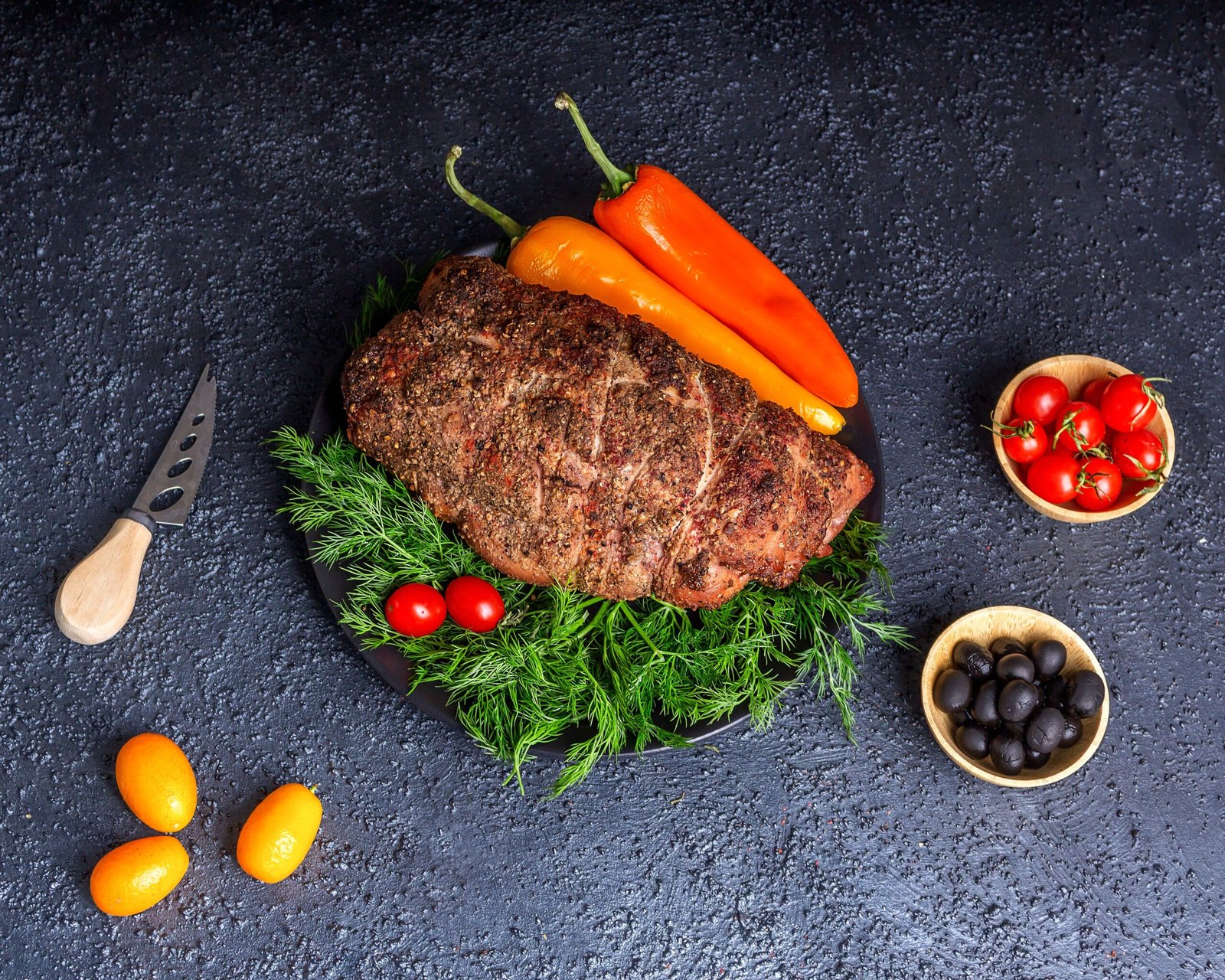
Pepperoncini are mild, tangy peppers commonly found in Italian and Mediterranean cuisine. They are often served pickled in jars and used to add a refreshing combination of acidity, mild heat, and crunch to everyday meals. Their distinctive flavor makes them a popular ingredient in sandwiches, salads, pizzas, and antipasto platters.
Whether you enjoy spicy food or prefer something milder, pepperoncini can be an excellent addition to your kitchen. These peppers are easy to use, widely available in grocery stores, and pair well with many ingredients. Understanding their flavor, nutritional value, and different uses can help you make the most of this versatile food.
What Are Pepperoncini?
Pepperoncini are mild chili peppers associated with Italian and Mediterranean cooking. In the United States, the name usually refers to small, yellow-green peppers that are commonly pickled in vinegar and brine. They are typically sold whole, with their stems intact, although sliced versions are also available.
Fresh pepperoncini have a crisp texture and a mild pepper flavor, while pickled varieties develop a tangy, slightly salty taste. Their gentle heat makes them suitable for people who enjoy flavorful foods without the intense burning sensation of hotter chili peppers. They are especially popular as a condiment and an ingredient in prepared dishes.
What Do Pepperoncini Taste Like?
Pepperoncini have a bright, tangy flavor with mild heat and a slightly sweet, grassy pepper taste. Pickled varieties are particularly acidic because they are preserved in vinegar or a similar brine. Their combination of crunch and acidity helps balance rich, savory, and fatty foods.
For example, adding pepperoncini to a roast beef sandwich can make the meat taste less heavy and more refreshing. Similarly, chopped peppers can brighten a creamy pasta salad or a homemade pizza. Their flavor is noticeable without usually overpowering the other ingredients.
Are Pepperoncini Spicy?
Pepperoncini are generally considered mild peppers, making them a good choice for people who prefer gentle heat. They are commonly reported to measure around 100–500 Scoville Heat Units (SHU), although the exact heat can vary by variety and growing conditions. This range places them far below many popular hot chili peppers.
The pickling liquid can also influence how the peppers taste, adding acidity and saltiness that may make their heat seem even milder. If you are sensitive to spicy foods, start with a small piece and see how you respond. Removing the seeds and inner membranes may also help reduce the perceived heat.
Pepperoncini vs. Banana Peppers
Pepperoncini and banana peppers look similar because both are often yellow-green and sold pickled. However, they can differ in shape, texture, flavor, and typical heat level. Pepperoncini often have wrinkled skin and a tangy flavor, while banana peppers are usually smoother and have a thicker, more fleshy appearance.
Banana peppers are frequently used in sandwiches, salads, and pizza toppings, just like pepperoncini. Both can work as substitutes for each other, depending on the recipe and the flavor you prefer. If you want a slightly different texture or a milder result, banana peppers may be worth trying.
Nutritional Value of Pepperoncini
Pepperoncini are generally low in calories, especially when eaten in small servings as a condiment. They contain small amounts of carbohydrates and provide some vitamin C and other nutrients naturally found in peppers. However, their exact nutritional content depends on the variety, serving size, and preparation method.
Pickled pepperoncini can contain considerable sodium because salt is commonly used in the brine. People who monitor their sodium intake should check the nutrition label and compare brands before buying. Choosing lower-sodium varieties or rinsing the peppers lightly may help reduce some surface salt.
Potential Health Benefits of Pepperoncini
Pepperoncini can contribute to a balanced diet by adding flavor without requiring large amounts of high-calorie sauces or dressings. Peppers naturally provide vitamin C and other plant compounds, although the amount you receive depends on the serving size and whether the peppers are fresh or pickled. Including a variety of vegetables in meals remains an important part of healthy eating.
Their tangy taste can also make nutritious foods more appealing. For example, adding a few chopped pepperoncini to a bean salad or vegetable wrap can create a more satisfying flavor without relying entirely on creamy condiments. However, pepperoncini should be viewed as one small part of a varied diet rather than a treatment for any medical condition.
How to Use Pepperoncini in Everyday Cooking
Pepperoncini are easy to incorporate into meals because they can be eaten straight from the jar or added to cooked dishes. Slice them into rings for sandwiches, chop them for salads, or serve them whole alongside grilled meat and roasted vegetables. Their acidity works particularly well with ingredients such as cheese, olives, tomatoes, and cured meats.
You can also add pepperoncini to slow-cooked beef, chicken dishes, pasta salads, and homemade dressings. For a quick lunch, combine sliced peppers with lettuce, tomatoes, chickpeas, and feta cheese. The peppers provide a tangy contrast that makes the dish more flavorful without requiring complicated preparation.
Easy Pepperoncini Salad Recipe
A pepperoncini salad is a simple way to enjoy the peppers with fresh vegetables and a light dressing. Combine chopped cucumber, cherry tomatoes, red onion, olives, and sliced pepperoncini in a bowl. Add crumbled feta cheese if desired, then season with olive oil, black pepper, and a small amount of lemon juice.
Toss everything together and allow the salad to rest for a few minutes before serving. The pepperoncini provide acidity, while the vegetables contribute freshness and crunch. Because pickled peppers are already salty, taste the salad before adding extra salt to avoid making it too salty.
How to Store Pepperoncini Properly
Unopened commercially packaged pepperoncini should be stored according to the instructions on the label. After opening, keep the jar refrigerated if directed by the manufacturer and use clean utensils when removing the peppers. Keeping the peppers submerged in their brine helps maintain their quality, although it does not replace proper refrigeration or safe handling.
Always follow the product’s storage instructions and discard the peppers if you notice mold, an unusual smell, unexpected changes in texture, or other signs of spoilage. Homemade pickled peppers require particular care because improper preparation can create food-safety risks. For longer storage, use a tested pickling recipe rather than relying on vinegar or salt measurements guessed at home.
Are Pepperoncini Good for Weight Management?
Pepperoncini are relatively low in calories, which can make them a useful addition to meals when you want more flavor without adding a large amount of energy. Their sharp taste can complement vegetables, lean proteins, and whole-grain foods. They are best enjoyed as part of an overall eating pattern that includes a variety of nutritious ingredients.
However, pepperoncini do not directly cause weight loss or burn body fat. The calories in a complete meal depend on all its ingredients, including oils, cheeses, sauces, and portion sizes. Since pickled varieties can be high in sodium, it is also sensible to check the label and enjoy them in reasonable portions.
Are There Any Side Effects of Eating Pepperoncini?
Most people can enjoy pepperoncini in moderate amounts, but their acidity may irritate people who experience acid reflux or sensitivity to acidic foods. Some individuals may also find that spicy peppers trigger digestive discomfort. Personal tolerance varies, so reducing the portion or avoiding them when symptoms occur may be helpful.
Another consideration is sodium, particularly in commercially pickled varieties. Eating large quantities may contribute more sodium to your diet than you intended, especially when combined with salty cheese, deli meat, or sauces. Checking nutrition labels and balancing pepperoncini with other fresh ingredients can help you make informed choices.
How to Choose the Best Pepperoncini
When shopping for pepperoncini, look for jars with clearly labeled ingredients, intact packaging, and a preparation style that suits your needs. Some products contain whole peppers, while others offer sliced peppers for convenient use in sandwiches and salads. Compare the sodium content if you are trying to limit salt.
You may also notice differences in acidity, texture, and heat between brands. If you prefer a crisp bite, look for products that describe the peppers as firm or crunchy. For a milder flavor, compare ingredient lists and taste a small serving before adding the peppers to an entire recipe.
Frequently Asked Questions About Pepperoncini
Are pepperoncini the same as pepperoncino?
The terms are related but can be used differently depending on the language and region. In American grocery stores, pepperoncini usually refers to mild pickled peppers, while the Italian term peperoncino often refers more broadly to hot chili peppers. Checking the product label can help you understand which type of pepper is being sold.
Can you eat pepperoncini straight from the jar?
Yes, commercially prepared pepperoncini are generally ready to eat straight from the jar. They can be served as a snack, added to sandwiches, or placed on an antipasto platter. Use a clean utensil and follow the storage directions after opening the container.
Do pepperoncini need to be cooked?
No, pepperoncini do not need to be cooked when they are sold as ready-to-eat pickled peppers. Their tangy flavor works well in cold dishes, including salads and sandwiches. You can also add them to cooked recipes when you want their acidity to complement the other ingredients.
Are pepperoncini healthier than jalapeños?
Neither pepper is automatically healthier than the other. Pepperoncini are generally milder, while jalapeños usually provide more heat, and their nutritional values depend on the variety and preparation method. Pickled versions of either pepper may contain added sodium, so comparing labels is useful.
Can you substitute banana peppers for pepperoncini?
Yes, banana peppers can often replace pepperoncini in sandwiches, salads, pizzas, and other recipes. The result may differ slightly in texture, acidity, and heat, depending on the product. If necessary, adjust the dressing or seasoning to achieve the flavor you want.
Where can you buy pepperoncini?
Pepperoncini are commonly available in supermarkets, grocery stores, and online food retailers. Look for them in the pickle aisle or near olives, preserved vegetables, and other jarred condiments. Availability varies by location, so banana peppers may be a practical alternative when pepperoncini are difficult to find.
Conclusion
Pepperoncini are versatile, mild peppers that bring a distinctive tangy flavor to a wide range of meals. From sandwiches and salads to pasta dishes and roasted meats, they offer a convenient way to add brightness and texture to everyday cooking. Their relatively low calorie content also makes them a useful condiment for many balanced meals.
When choosing pepperoncini, consider their flavor, sodium content, storage requirements, and how you plan to use them. Enjoying them in moderate portions alongside vegetables, whole grains, and protein-rich foods can help create satisfying meals. With their mild heat and refreshing acidity, pepperoncini deserve a place in any kitchen that appreciates simple, flavorful ingredients.

Enntal is a term that can appear confusing at first because it does not have one universally recognized definition in everyday English. When people search for enntal, they may be looking for a specific name, website, brand, digital service, username, technical term, or a variation of another word. Understanding the context is therefore essential before assigning one fixed meaning to the term.
In 2026, unusual and unfamiliar search terms such as enntal can attract attention because they may belong to emerging online services, niche communities, digital projects, or newly created brands. Unlike established dictionary words, an uncommon keyword may develop its meaning from the website, platform, product, or community where it is used. This makes context especially important for anyone researching the term.
What Is Enntal?
Enntal is an uncommon term that does not have a single widely established everyday definition in standard English. Its meaning can depend heavily on where it appears and how it is being used. Someone encountering the word on a website may therefore need additional information before determining whether it refers to a company, service, platform, person, project, or another online identity.
This is particularly common with modern internet terminology. New platforms and digital projects frequently use distinctive names that are not found in conventional dictionaries. A short and unusual name can be chosen because it is memorable, available as a domain, suitable for branding, or sufficiently different from existing names.
For this reason, we should avoid automatically assuming that enntal is a misspelling of another word. It may be intentional. At the same time, if the term appears in a sentence where another interpretation clearly makes more sense, it could represent a typographical variation.
The surrounding information is therefore the most reliable way to understand what enntal means in a particular search.
Why Are People Searching for Enntal in 2026?
Search behavior changes quickly, especially when unfamiliar terms become associated with websites, applications, social-media accounts, or online discussions. A keyword such as enntal can gain searches for several different reasons.
One possibility is that users have encountered the word somewhere online and want to determine what enntal means. Another is that they have seen it as part of a website address, account name, product description, or digital service and want to know whether it is legitimate or useful.
There can also be searches caused by direct recommendations. Someone may see an unfamiliar name in a message, advertisement, social-media post, or search result and enter it into Google simply to learn more.
This creates an important distinction between search intent and dictionary meaning. A person searching for enntal may not necessarily expect a traditional definition. They may instead want to identify the entity behind the name, understand its purpose, determine how it works, or decide whether it is relevant to them.
Enntal as a Digital or Online Term
Many modern keywords are created specifically for the internet. A company may select a unique name because conventional words are already associated with established businesses or because a distinctive name is easier to use across digital platforms.
If enntal appears as a brand or online project, we should examine several basic characteristics before drawing conclusions. These include the name’s associated website, stated purpose, contact information, published descriptions, and the context in which the term appears.
A legitimate online service will generally provide enough information for users to understand what it offers and who operates it. Depending on the type of platform, useful information may include terms of service, privacy information, customer-support options, business details, and explanations of products or services.
However, the presence of a professional-looking website alone does not prove that an online service is trustworthy. Users should consider the complete picture before providing personal information, creating an account, downloading files, or making payments.
How to Research Enntal Safely
When we encounter an unfamiliar keyword such as enntal, a careful research process is more useful than relying on assumptions. We can begin by searching the exact spelling and reviewing the results that appear consistently across reputable sources.
The next step is to identify context. If the term appears on a website, we can examine the site’s description and determine whether enntal is being presented as a company, product, application, community, or other entity.
We should also pay attention to the exact spelling. A single letter can change the search results completely. If we encountered enntal through an image, message, advertisement, or handwritten reference, checking whether the original spelling was correct can prevent confusion.
For unfamiliar websites, basic online-safety practices are equally important. We should avoid entering sensitive information simply because a page uses a recognizable-looking design. Before creating an account or purchasing something, it is sensible to verify the site’s identity and look for transparent contact and policy information.
Common Questions About Enntal
What does enntal mean?
Enntal does not have one universally established English definition. Its meaning depends on the context in which the term is being used. It may represent a name, brand, website, project, or another specialized online reference.
Is enntal a real word?
Enntal is not a commonly used standard English dictionary word. That does not necessarily mean it is meaningless. Many brands, websites, usernames, and digital projects use invented or uncommon names.
Could enntal be a spelling mistake?
Yes, that is possible. Unusual search terms can result from typing errors or autocorrect. However, enntal may also be an intentional name, so we should examine the original context before deciding that it is incorrect.
How can we find out what enntal refers to?
We can search the exact spelling, examine the context where the term was discovered, and identify whether it is connected with a particular website, organization, product, or online account. Comparing several reliable references can provide additional confirmation.
Should we trust a website associated with enntal?
We should not automatically trust or distrust an unfamiliar website simply because its name is unusual. Before using it, we should review its domain, contact information, policies, reputation, and stated purpose and avoid sharing sensitive information until its identity has been reasonably verified.
Why Context Matters When Searching Enntal
The biggest challenge with enntal is that an unusual keyword can have multiple possible interpretations. Search engines can return pages containing similar words, names, or unrelated references, which can make an unfamiliar term appear more complicated than it actually is.
Context provides the solution. If someone searches for enntal meaning, the likely objective is a definition. If they search for enntal website, they may want to identify a particular online destination. A search involving a product, application, or company may indicate a completely different intent.
This is why a useful explanation should not invent a definition simply to make an unfamiliar keyword sound familiar. Accuracy is more valuable than speculation. When evidence is limited, the most responsible approach is to explain what can be established and identify what additional context would clarify the term.
Conclusion
Enntal is an uncommon term whose meaning depends largely on context. Unlike familiar English words with established dictionary definitions, it may function as a digital name, brand, project, website reference, username, or specialized term.
In 2026, searches for unusual keywords are increasingly common as new online platforms and digital identities appear. When we encounter enntal, the best approach is to verify the spelling, examine where the term appeared, identify its associated entity, and evaluate any related website or service carefully.
Rather than assuming that enntal has one fixed meaning, we should use the surrounding information to determine what the term represents. This approach provides a clearer, more accurate understanding while also helping users avoid confusion and make safer decisions when unfamiliar online names appear in search results.
SEO Category: Informational
Meta Description: Discover what enntal may refer to, why people search for it, how to understand its context, and how to research the term safely in 2026.

Pepperoncini: Everything You Need to Know About These Mild, Tangy Peppers

Best Starbucks Sizes: Tall, Grande, Venti, and Trenta

Hentaila: Meaning, Features, Online Safety, and What Readers Should Know in 2026

Dorothée Lepère: Everything You Need to Know About François-Henri Pinault’s Former Wife

Ana Luz Rodriguez-Paz: Biography, Career, Achievements, and Complete Profile

That-Bites.org: The Complete 2026 Guide to the Food, Lifestyle, and Recipe Platform
 celebrity5 months ago
Dorothée Lepère: Everything You Need to Know About François-Henri Pinault’s Former Wife
- celebrity5 months ago
Ana Luz Rodriguez-Paz: Biography, Career, Achievements, and Complete Profile
- Food4 months ago
That-Bites.org: The Complete 2026 Guide to the Food, Lifestyle, and Recipe Platform
- Blog4 months ago
5 Letter Words Starting with CA: Complete Word List, Meanings, Examples, and Word Game Guide (2026)
- celebrity5 months ago
Timothy shalloway: Biography, Movies, Career, Personal Life, and Hollywood Success
- Blog3 months ago
0800497: What Does This Number Mean and Is It a Scam in 2026?
- Sports3 months ago
iOS App eTrueSports: A Complete Guide to the Mobile Gaming and Esports Platform in 2026
- Business4 months ago
402-935-7733: Why This Number Appears on Your Bank Statement and What It Means (2026 Guide)