Drinks
Red Mountain Dew: What It Is, Flavor, History, and Availability

Published
2 hours agoon
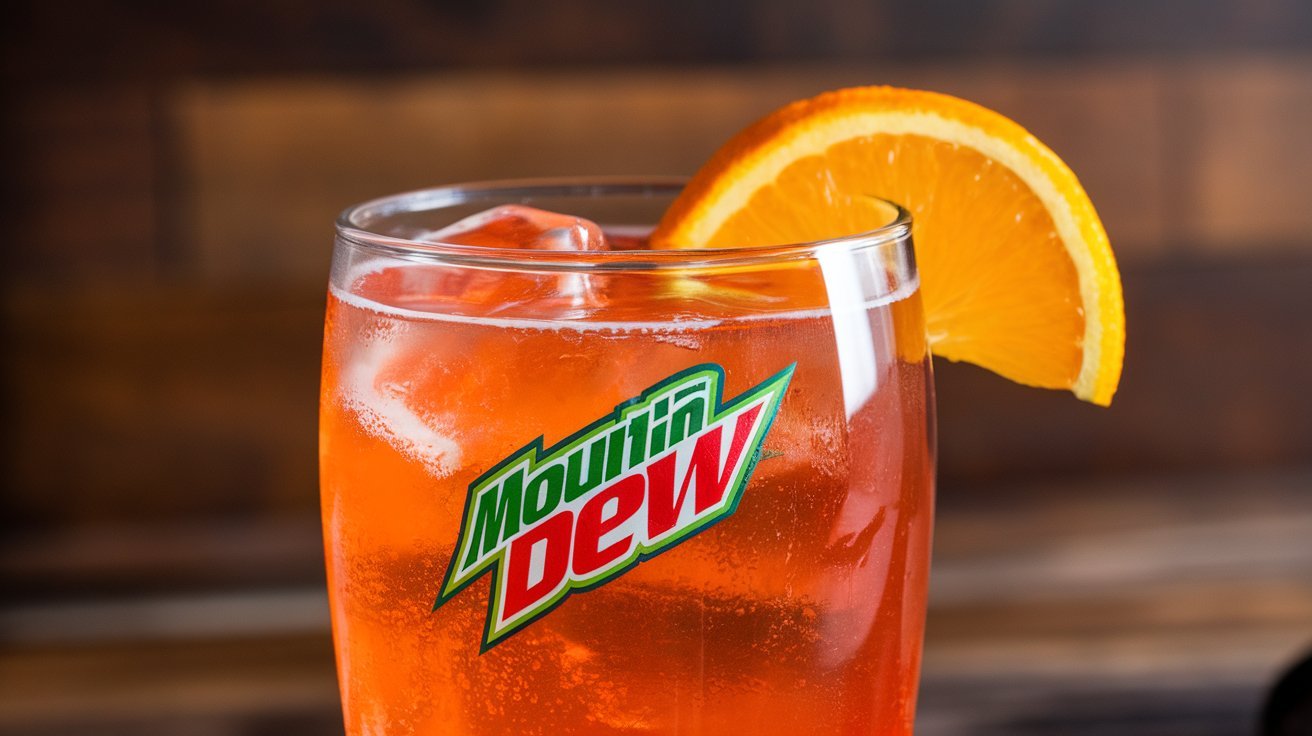
Table of Contents
ToggleWhen people search for Red Mountain Dew, they are often looking for information about a particular red-colored Mountain Dew beverage, its flavor profile, release history, ingredients, availability, or connection to limited-edition Mountain Dew products. Because the brand has introduced numerous flavors and special releases over the years, the name can sometimes refer to different products or fan-used descriptions. Understanding the context is therefore important when researching this distinctive beverage.
Mountain Dew is known for experimenting with bold flavors, bright colors, and limited-time releases. A red version naturally attracts attention because the color immediately separates it from the traditional green Mountain Dew. In this guide, we examine what Red Mountain Dew can mean, how red-colored releases fit into the broader Mountain Dew lineup, what consumers should know about flavor and ingredients, and how to approach availability in 2026.
What Is Red Mountain Dew?
Red Mountain Dew is generally used to describe a red-colored Mountain Dew flavor or a Mountain Dew product associated with a red appearance. Unlike the standard green Mountain Dew, red variants have been developed around different flavor concepts and promotional releases.
Mountain Dew has a long history of creating products that differ from its flagship citrus soda. Some releases have been permanent additions, while others have appeared for a limited period, returned through fan demand, or been associated with particular promotions. This makes the term “Red Mountain Dew” somewhat broader than the name of one universally available product.
One reason red Mountain Dew products generate interest is their visual identity. A bright red soda can stand out strongly on store shelves, especially when combined with distinctive packaging. For collectors and longtime fans, discontinued flavors can be particularly interesting because packaging and regional availability can make certain releases difficult to find.
When researching a specific red Mountain Dew, it is useful to check the exact product name, packaging, release period, and market rather than assuming that every red Mountain Dew product has the same formula.
Red Mountain Dew Flavor Profile
The flavor of a red Mountain Dew depends on the particular product being discussed. Mountain Dew’s limited-edition strategy has included fruit-forward flavors, berry-inspired combinations, tropical profiles, and other experimental formulas.
Compared with classic Mountain Dew, which is recognized for its citrus character, red variants may have a more pronounced fruit flavor. The red appearance can also create expectations of cherry, berry, fruit punch, or other sweet flavor notes, although color alone does not establish the actual flavor.
For consumers trying to identify a particular product, the most reliable information comes from the official product label and manufacturer description. Names, colors, and promotional artwork are not always enough to determine the exact flavor formulation.
The sweetness level can also vary between products. Some special Mountain Dew releases have been designed to provide an intense fruit experience, while others balance fruit notes with the familiar citrus foundation associated with the brand. This variety is one of the reasons Mountain Dew has developed such a large following among soda enthusiasts.
Why Red Mountain Dew Gets So Much Attention
Limited-edition beverages often attract attention because consumers know that they may not remain on shelves indefinitely. Mountain Dew has built a strong reputation around seasonal products, promotional flavors, and experimental releases.
A red Mountain Dew immediately stands out visually, which can increase interest among both casual buyers and collectors. Bright packaging is particularly important for limited-edition beverages because consumers may recognize the product before reading every word on the label.
Social media and online communities have also contributed to the popularity of unusual Mountain Dew flavors. Fans frequently discuss discontinued products, compare flavors, search for remaining inventory, and share photographs of older cans and bottles. As a result, a product that was once a routine store item can later become a subject of nostalgia.
Availability can therefore influence perceived popularity. When a product disappears from mainstream stores, searches for its name can increase as consumers try to determine whether it has returned, been discontinued, or remains available in a particular market.
Ingredients, Nutrition, and Caffeine Considerations
Anyone researching Red Mountain Dew should distinguish between flavor identity and nutritional information. Different Mountain Dew products can have different ingredient lists, calorie counts, sweeteners, caffeine levels, and serving sizes.
The package label is the most appropriate source for current nutritional information because formulations can change and products may be sold in different markets. A beverage sold in the United States, for example, may not necessarily have identical labeling or formulation to a product sold elsewhere.
Consumers should pay attention to information such as serving size, calories, total sugar, added sugar, caffeine, and ingredients. People who are sensitive to caffeine or monitoring their sugar intake should especially check the label before consuming a particular product.
Diet and zero-sugar versions should also not automatically be treated as identical to their full-sugar counterparts. Even when two products share a similar flavor concept, their sweetener systems and nutritional profiles can differ.
For that reason, identifying the exact product name is essential when looking for accurate nutrition information about a red Mountain Dew.
Is Red Mountain Dew Still Available in 2026?
Availability is one of the most important questions surrounding unusual Mountain Dew flavors. In 2026, consumers should not assume that a red Mountain Dew product is permanently stocked simply because old photographs, reviews, or marketplace listings can still be found online.
Mountain Dew has released products through different distribution strategies, including national launches, regional availability, seasonal promotions, and limited-time campaigns. Some products eventually disappear from normal retail distribution, while others return after a period away.
Availability can also differ by country and retailer. A flavor that is difficult to find in one region may still appear through another distribution channel. However, online marketplace listings require caution because old listings can remain visible long after a product has disappeared from normal retail shelves.
For the most reliable information, consumers should check current official Mountain Dew announcements, major retailers, and the product packaging itself. A current retailer listing is generally more useful for determining present availability than an old article published several years earlier.
How to Identify the Red Mountain Dew You Are Looking For
Because several Mountain Dew products can be described as red or reddish, identifying the exact beverage is important. Start with the full product name printed on the can or bottle. Next, examine the flavor description, logo, packaging design, and approximate release period.
A photograph can also help identify an older product, especially when the packaging is no longer used. Collectors often compare can designs, bottle labels, promotional graphics, and product names to determine which release they have found.
It is also useful to distinguish between an officially branded Mountain Dew product and an informal description used by fans. Searching only for “red Mountain Dew” may return several different products, discussions, and historical references.
When researching an older flavor, consider the following details:
- Exact product name
- Flavor description
- Approximate release year
- Can or bottle design
- Country or region
- Regular, diet, or zero-sugar formulation
- Whether the product was seasonal or limited edition
These details make it much easier to locate accurate information.
The Legacy of Experimental Mountain Dew Flavors
Red Mountain Dew fits into a much larger story of experimentation within the Mountain Dew brand. Over the years, consumers have seen products built around citrus, fruit, tropical flavors, berry combinations, seasonal concepts, and other unusual ideas.
This experimentation has helped create a culture in which Mountain Dew fans actively follow new releases. Limited editions can become memorable even when they are available for only a short period. A distinctive color, unusual flavor, or memorable promotional campaign can make a product especially recognizable years later.
For enthusiasts, the appeal is not always limited to drinking the beverage. Packaging, nostalgia, release history, and rarity can all contribute to the interest surrounding an older Mountain Dew product.
That is why searches for red Mountain Dew may continue long after a particular release has disappeared from ordinary retail shelves.
Final Thoughts on Red Mountain Dew
Red Mountain Dew represents the broader appeal of Mountain Dew’s colorful and experimental flavor lineup. Because multiple products can be described using similar terminology, identifying the exact beverage requires attention to its official name, packaging, flavor description, release period, and market.
For anyone researching a particular red Mountain Dew in 2026, the most dependable approach is to verify current information through official product details and contemporary retailer listings rather than relying solely on older discussions or marketplace advertisements. Whether the interest comes from flavor exploration, nostalgia, collecting, or simply identifying an unusual can, understanding the specific product is the key to finding accurate information.
You may like
Drinks
Don Papa Rum: A Complete Guide to the Filipino Spirit of Sugarlandia
Published
4 days agoon
September 18, 2026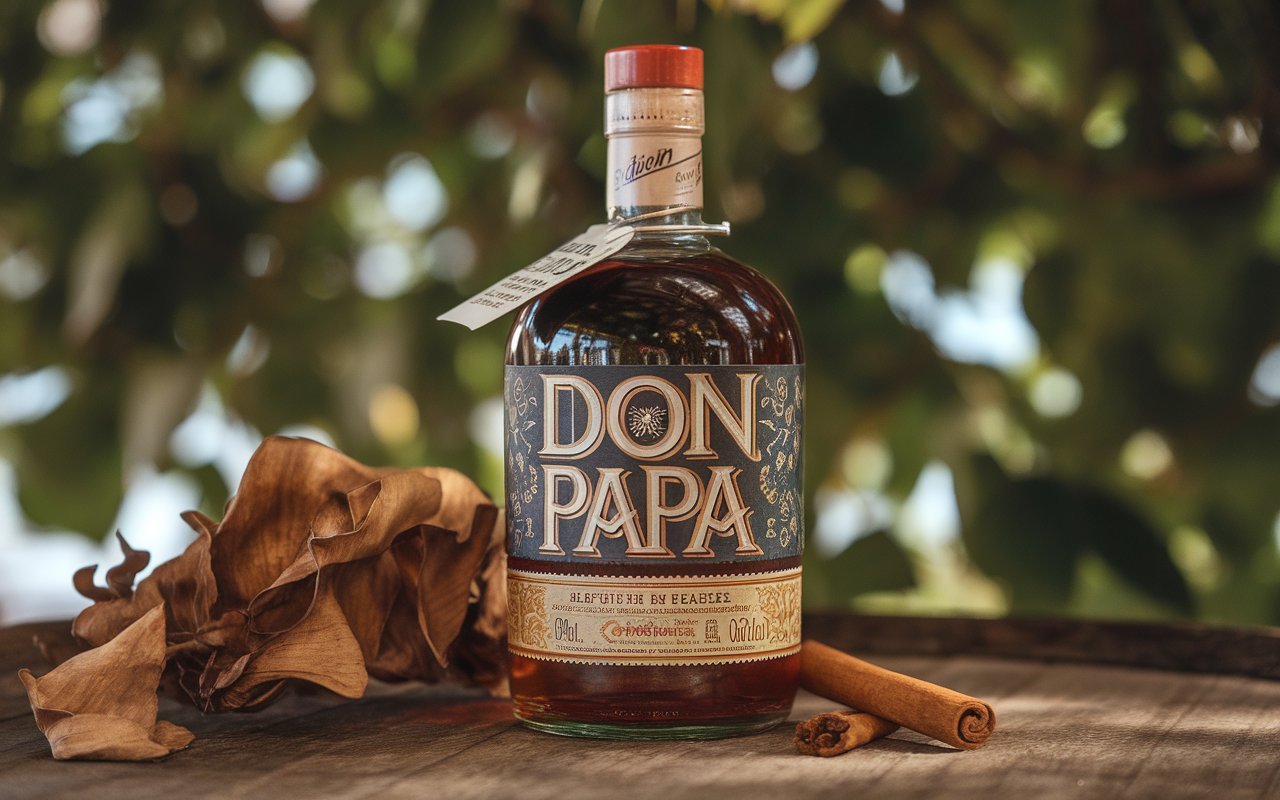
Don Papa Rum has become one of the most recognizable premium rum brands associated with the Philippines. Made on the island of Negros in the Philippines, the brand builds its identity around the island’s long sugarcane-growing tradition, tropical climate, distinctive flavors, and the imaginative world it calls Sugarlandia. The official brand describes Don Papa as a premium aged, single-island rum produced from sugarcane grown around the foothills of Mount Kanlaon.
For drinkers discovering Filipino rum for the first time, Don Papa offers an accessible introduction to a style that is generally associated with vanilla, caramel, tropical fruit, oak, and noticeable sweetness. At the same time, its different expressions provide opportunities to explore how cask maturation and blending can change the character of the spirit. In 2026, Don Papa’s range includes several expressions, while the standard Don Papa Rum and Don Papa Baroko remain particularly recognizable names among consumers.
What Is Don Papa Rum?
Don Papa Rum is a Philippine rum brand produced on Negros Occidental, an area sometimes referred to by the brand as Sugarlandia. The island has a major connection with sugarcane cultivation, making it a natural setting for a rum built around locally sourced molasses. According to the producer, the process begins with sugarcane, which is harvested and milled to create rich molasses before fermentation and distillation. The resulting spirit is matured and then blended by the brand’s master blender.
The standard Don Papa Rum is bottled at 40% ABV and is matured in oak casks. The current official product description states that the expression is aged in ex-bourbon American oak and ex-Rioja casks, giving the finished spirit a combination of ripe orchard fruit, vanilla cream, lemon zest, and dry toasted oak.
This combination helps explain why Don Papa has a recognizable profile. Rather than presenting a very dry or aggressively earthy style, the brand emphasizes richness, fruitiness, vanilla, and rounded oak character.
The Story Behind Don Papa and Sugarlandia
A major part of the Don Papa experience is its connection to Negros Occidental. The brand presents Sugarlandia as a colorful, almost mythical interpretation of the island and its natural environment. This identity extends beyond the liquid itself to the bottle artwork, packaging, and storytelling.
The location is also important from a production perspective. Don Papa says its rum is crafted on the fertile foothills of the active Mount Kanlaon volcano, where sugarcane provides the raw material for the spirit.
The result is a rum with a strong sense of place. Instead of treating its Philippine origin as a minor detail, Don Papa places the country’s sugarcane heritage at the center of its identity. This has helped introduce more international consumers to Filipino rum, a category with a long history but comparatively less global visibility than Caribbean rum-producing traditions.
How Don Papa Rum Is Made
Understanding how Don Papa is made helps explain its flavor profile. Rum begins with a sugarcane-derived material, and in Don Papa’s case the producer highlights molasses from sugarcane grown in the Philippines. Fermentation and distillation create the base spirit, after which maturation contributes additional aromas and flavors.
Oak maturation is particularly important. The standard Don Papa expression is described by the producer as being matured in ex-bourbon American oak and ex-Rioja casks. These casks can contribute notes associated with vanilla, toasted wood, fruit, spice, and deeper sweetness.
The tropical Philippine climate also plays a meaningful role in maturation. Warm conditions can influence the interaction between spirit and oak, creating a distinctive maturation environment compared with cooler regions. Don Papa’s production story therefore combines local sugarcane, tropical aging conditions, oak maturation, and blending to create its house style.
What Does Don Papa Rum Taste Like?
The flavor of Don Papa depends on the expression, but the brand’s characteristic style is generally rich, sweet, fruity, and vanilla-forward.
The current standard Don Papa Rum is officially described with bold ripe orchard fruit and vanilla cream, followed by lemon zest and dry toasted oak on the finish. These flavors create a profile that can appeal to drinkers who prefer softer, dessert-like spirits rather than very dry or intensely woody rums.
Don Papa Baroko, another well-known expression, has an especially prominent sweet character. Community tasting data commonly associates it with vanilla, orange, caramel, sugar, and tropical fruit. RumX currently lists Baroko at 40% ABV and notes that its sweetness and pronounced orange-vanilla character make it particularly accessible to people who enjoy dessert-style spirits.
Taste remains subjective, however. Recent tasting reviews show considerable variation in how experienced drinkers perceive Baroko, with some appreciating its smooth sweetness while others consider its flavor profile too sweet or pronounced.
Don Papa Rum vs. Don Papa Baroko
The names Don Papa Rum and Don Papa Baroko can easily create confusion because both belong to the same family, but their profiles are not identical.
The standard Don Papa Rum is currently presented by the producer as a richer, rounded rum with orchard fruit, vanilla cream, citrus zest, and toasted oak. Baroko, by comparison, is widely associated with a stronger sweet, vanilla, orange, and caramel profile. Independent tasting databases classify Baroko as a spirit based on rum and record a substantial amount of community feedback emphasizing its sweetness.
This distinction matters when choosing a bottle. Someone looking for a sweet, dessert-inspired drink may find Baroko’s flavor direction familiar and approachable, while someone interested in a somewhat more conventional rum profile may prefer the standard Don Papa expression.
Neither profile is objectively right or wrong. They simply represent different approaches to flavor and presentation.
How to Drink Don Papa Rum
There are several ways to enjoy Don Papa Rum, depending on the expression and personal preference. Drinking it neat allows the aroma and maturation character to remain the focus. A large ice cube can soften the alcohol sensation while gradually opening the spirit as the ice melts.
For sweeter expressions such as Baroko, cocktails can also provide an effective way to balance the spirit with citrus, spice, soda, or other ingredients. A simple rum-and-cola combination is an easy starting point, while a Rum Sour can introduce acidity that contrasts with a sweeter rum profile.
The key is to choose the serving method according to the character of the bottle. A richly sweet expression may work particularly well when paired with citrus, ginger, tropical fruit, coffee, chocolate, or vanilla. A more oak-driven expression can be given more attention when served neat or with minimal dilution.
Is Don Papa Rum Worth Exploring in 2026?
Don Papa occupies an interesting position in the rum world because it combines Filipino sugarcane heritage, distinctive packaging, tropical maturation, and a deliberately approachable flavor profile. The brand has helped bring attention to Negros and Philippine rum while developing an identity that is immediately recognizable.
Current community data shows that Don Papa’s wider portfolio contains numerous expressions, with different bottles appealing to different preferences. RumX currently catalogs 19 Don Papa rums and reports a broad community average across the brand, while Baroko remains one of its most frequently reviewed expressions.
For newcomers, the most useful approach is to treat Don Papa as a gateway into Filipino rum, rather than assuming every bottle will taste the same. Comparing the standard Don Papa Rum with Baroko can reveal how sweetness, oak, fruit, vanilla, and blending influence the final drinking experience.
Ultimately, Don Papa’s appeal comes from its combination of place, production, flavor, and storytelling. From sugarcane fields on Negros to oak maturation beneath a tropical climate, the brand presents a distinctly Philippine interpretation of aged rum. For anyone curious about modern Filipino spirits in 2026, Don Papa provides a recognizable starting point for exploring the country’s growing presence in the international rum landscape.

2026 Ford Bronco Big Bend: Features, Performance, Interior, and Off-Road Capability

Red Mountain Dew: What It Is, Flavor, History, and Availability

April’s Social Security Payments Won’t Arrive as Usual: 2026 Payment Schedule Explained

Dorothée Lepère: Everything You Need to Know About François-Henri Pinault’s Former Wife

Ana Luz Rodriguez-Paz: Biography, Career, Achievements, and Complete Profile

That-Bites.org: The Complete 2026 Guide to the Food, Lifestyle, and Recipe Platform
Trending
 celebrity3 months ago
Dorothée Lepère: Everything You Need to Know About François-Henri Pinault’s Former Wife
- celebrity3 months ago
Ana Luz Rodriguez-Paz: Biography, Career, Achievements, and Complete Profile
- Food2 months ago
That-Bites.org: The Complete 2026 Guide to the Food, Lifestyle, and Recipe Platform
- Blog2 months ago
5 Letter Words Starting with CA: Complete Word List, Meanings, Examples, and Word Game Guide (2026)
- celebrity3 months ago
Timothy shalloway: Biography, Movies, Career, Personal Life, and Hollywood Success
- Blog1 month ago
0800497: What Does This Number Mean and Is It a Scam in 2026?
- Health2 months ago
Hypackle: Everything You Need to Know About This Emerging Digital Platform
- Business2 months ago
402-935-7733: Why This Number Appears on Your Bank Statement and What It Means (2026 Guide)